
Mankato, MN
Garage Door Panel Replacement for Mankato Homes
Dented, cracked, or rusted garage door panels are common on Mankato's 1960s-70s housing stock. See why panels fail here and what replacement involves.
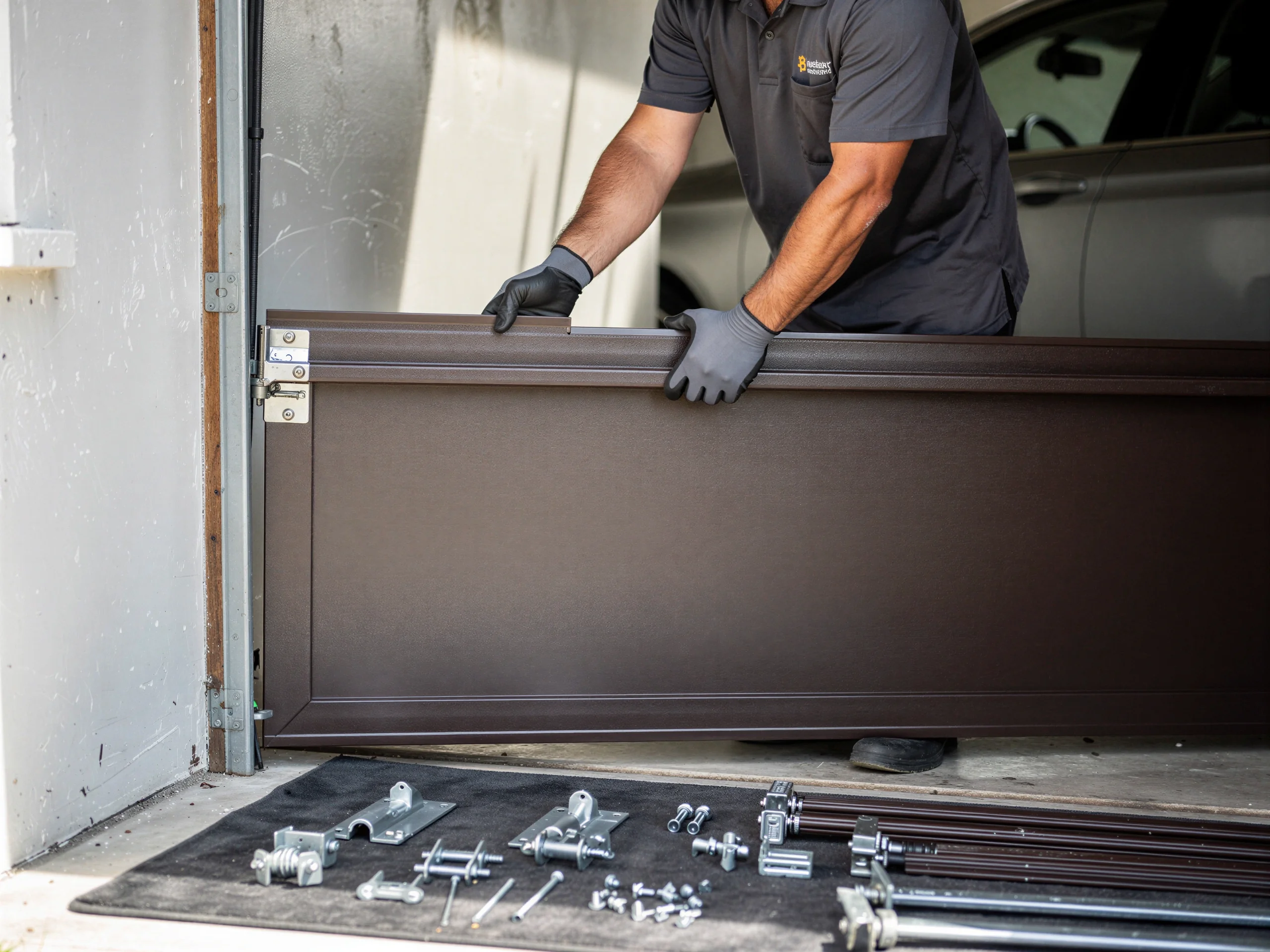
What You Are Seeing
A bad panel usually shows up one of three ways: a dent from a backed-into bumper or a wind-thrown branch, a crack running along a seam where the foam core has separated from the steel skin, or rust eating through the bottom section where snowmelt and road salt sit against the door all winter.
Single damaged panel
Sometimes it's just one panel on a multi-section door. Sometimes the whole bottom row is shot and the rest of the door still tracks fine. The tell is usually sound and motion before it's visual - a door that used to glide now catches or binds partway up, or you hear a faint grinding where a warped panel rubs the track roller.
Panel versus mechanical problem
If the door still opens and closes but looks wrong, that's a panel problem, not a spring or opener problem, and it's worth knowing the difference before you call anyone, including us.
Shared door styles region
Across the service area - Mankato, North Mankato, Eagle Lake, Belgrade, and the smaller towns further out - panel damage shows up on the same handful of door styles and widths, because so much of the housing here was built in the same stretch of decades with the same garage door hardware.
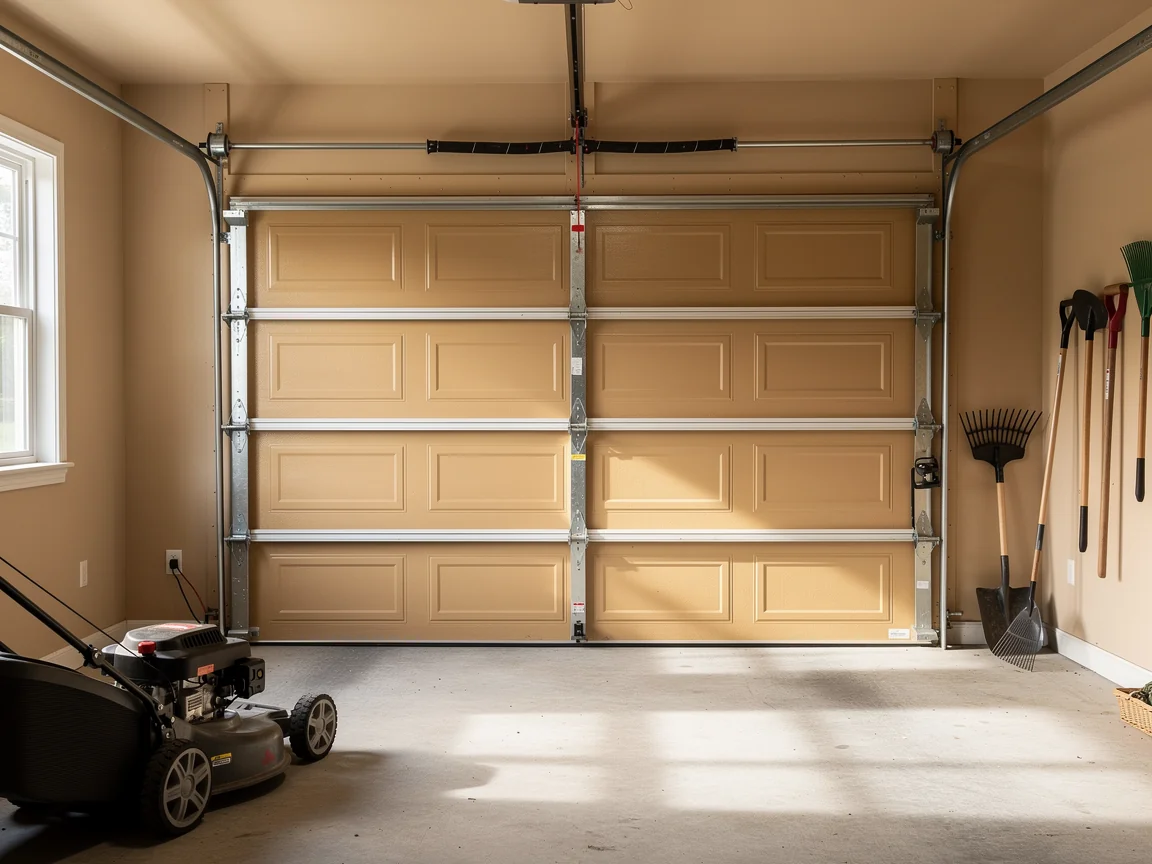
Why This Fails Locally
Housing in this service area was mostly built between 1950 and 1996, with the median landing around 1975 and the bulk of the stock dating to the 1960s and 70s across the 16 named areas we cover. That era of garage doors used panel widths, hinge spacing, and steel gauges that newer doors don't match. When a panel on one of these older doors gets dented or rusts through, you're often not just replacing a section - you're hunting down a panel that fits a track and hinge pattern nobody runs anymore.
This region also sits in a severe cold climate band, and that matters for panels specifically. A cracked seam or a dent that's pulled the steel skin away from the foam core stops insulating. In a mild climate that's a cosmetic problem. Here, it's a cold-air path straight into an attached garage, and over a winter it can widen as the metal flexes with temperature swings. That combination - old panel dimensions plus a climate that punishes any gap in the skin - is why panel failure on a 1960s or 70s door reads as more urgent here than it would somewhere with milder winters and newer housing.
How Long You Are Without the Door
A single damaged panel on a door that still has the rest of its sections in good shape is usually a same-visit swap once the right panel is on the truck - the door comes down off the opener arm, the bad section comes out, the new one goes in, and the door gets rehung and balanced.
Sourcing discontinued panel sizes
The slower part isn't the labor, it's sourcing. If your door is an older style matching the panel widths common on 1960s-70s builds in this area, we may not have that exact match in stock, and ordering it can take longer than the repair itself.
Full replacement can beat waiting
If more than one or two panels are damaged, or the door's track and hinge spacing are old enough that a matching panel isn't available at all, full door replacement often ends up faster than waiting on a discontinued part. We'll tell you straight if that's where your door is instead of stringing out a panel search that won't land.
What You Pay
We don't post panel pricing here because it swings too much on door age, panel width, insulation type, and whether the section has to be special-ordered to match an older track system. What we can tell you is what drives the number: single-panel swaps on a common modern width cost less and move faster than matching an obsolete panel from a 1960s or 70s door, and insulated steel sections cost more than the single-skin panels common on older builds in this area.
Given that median household income across the service area runs around $81,265 and most of the roughly 9,651 owner-occupied houses here were built well before current door styles, a lot of our panel calls land in that same gap - a door still structurally sound but carrying a panel dimension that's harder to source than it would be on a newer home. We'll give you a real number once we've seen the door and know whether we're matching stock or ordering.
Questions
Common questions
Can you replace just one panel, or do I need a whole new door?
If the rest of the door is in good shape and we can match the panel width and hinge spacing, a single-panel swap is usually the right call. If more than one or two sections are damaged, or your door's dimensions are old enough that panels aren't readily available, full replacement is often the faster and more sensible fix.
Why is it hard to find a matching panel for my door?
Most houses in this service area were built between 1950 and 1996, with a lot of that stock from the 1960s and 70s. Doors from that era used panel widths and hinge spacing that aren't standard on doors made today, so matching a single section sometimes means a special order instead of a stock part.
Does a damaged panel actually matter in winter, or is it just cosmetic?
It matters more here than in a mild climate. This area sits in a severe cold band, and a dent or cracked seam breaks the panel's insulation, letting cold air into an attached garage. A gap that looks minor in summer tends to get worse as winter temperature swings flex the metal.
How fast can you get the job done?
If we have the right panel in stock, it's usually a same-visit repair. If your door is an older style common on 1960s-70s builds in this area, sourcing the exact panel can take longer than the actual swap, and we'll tell you upfront if that's the situation.
Explore more
Explore More Services In Mankato, MN
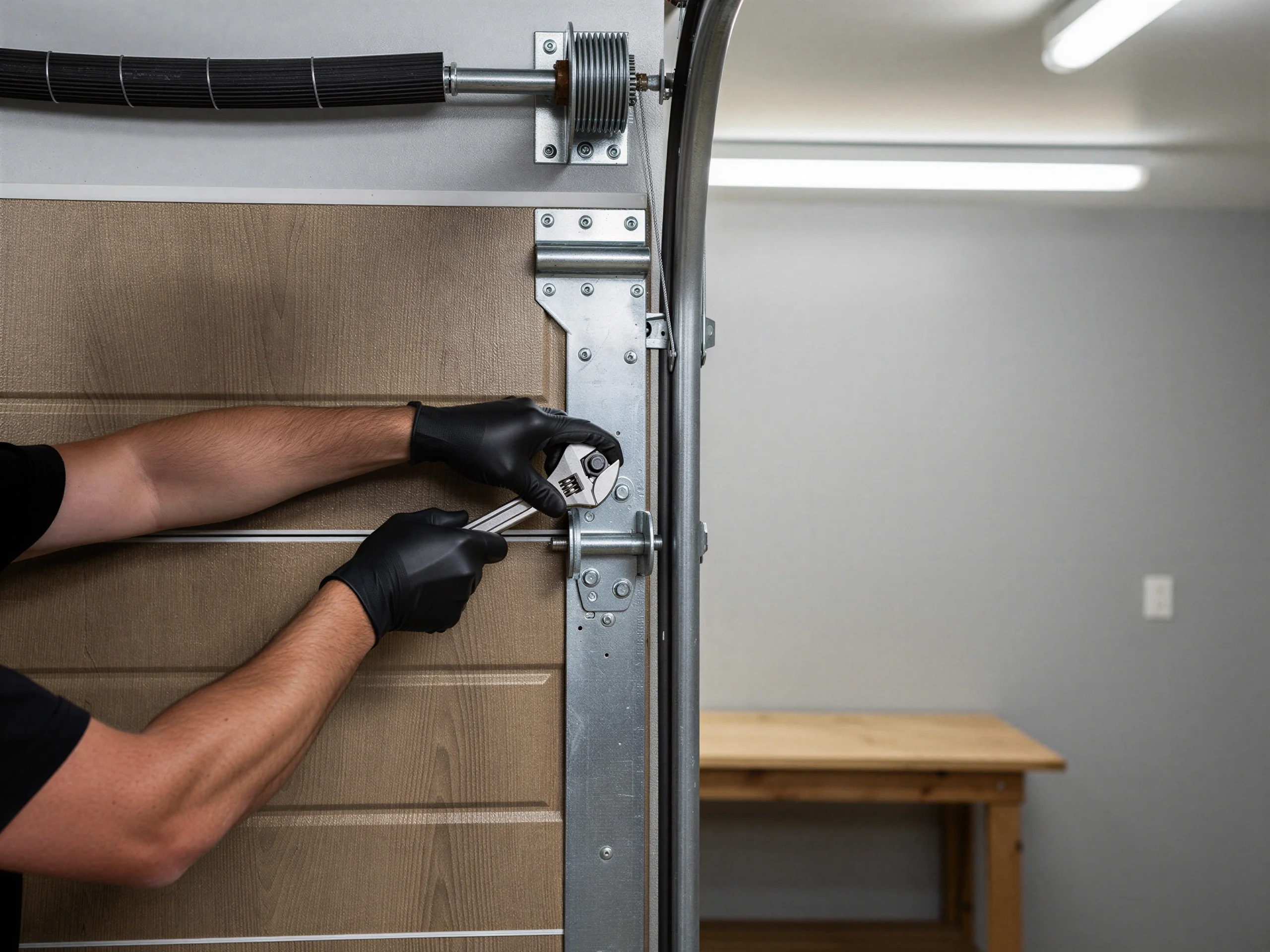
Garage Door Maintenance, Mankato MN: What Breaks and Why
Mankato's housing stock runs 1950-1996 and winters hit hard. Learn more →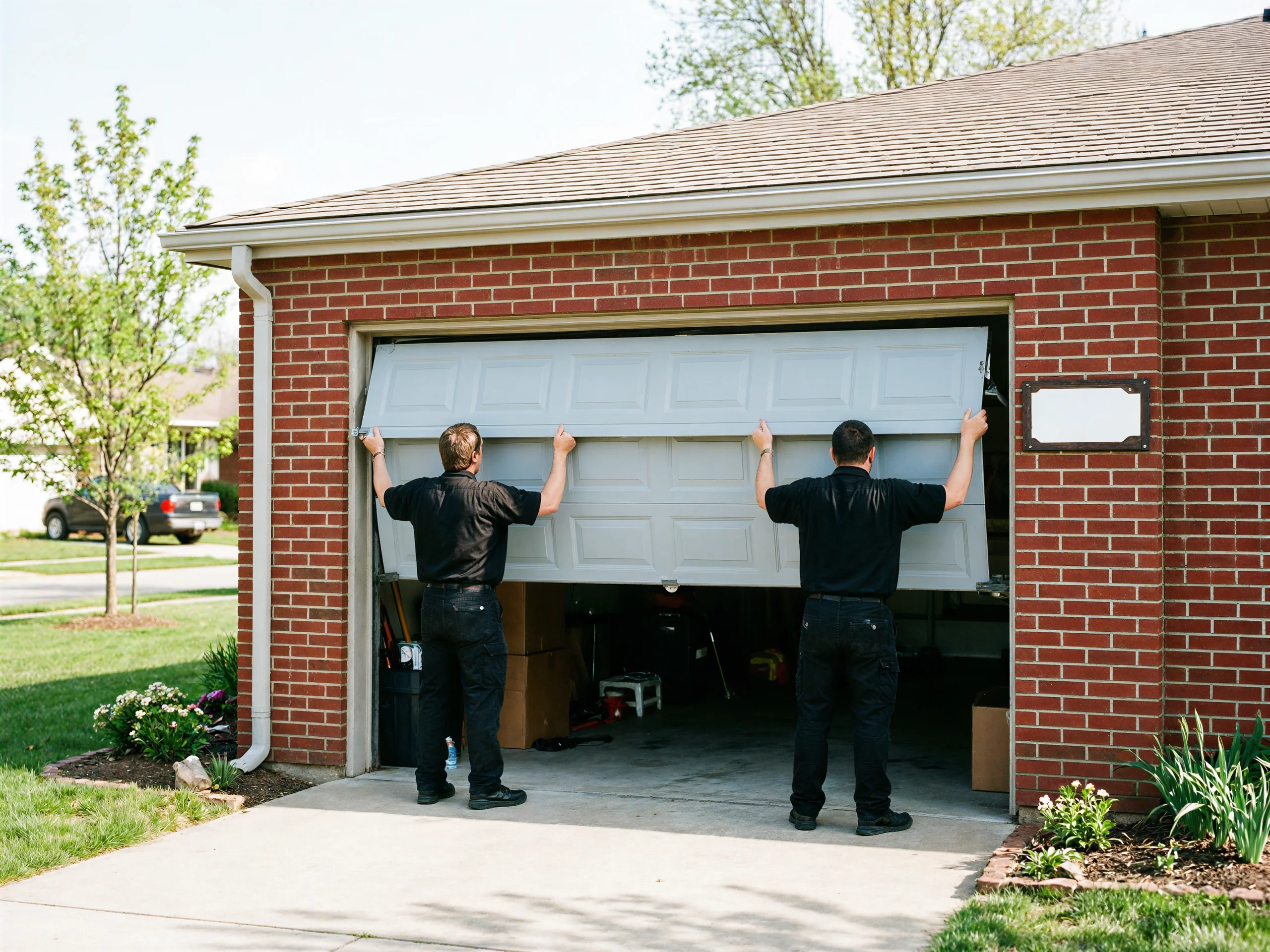
Replacing a Garage Door on a 1960s or '70s Mankato Home
New garage door installation in Mankato, MN for houses built 1950-1996. Learn more →
Garage Door Service for Mankato's 1960s-70s Housing Stock
Garage door repair for Mankato homes built mostly between 1960 and the mid-1970s, where cold-climate wear and original hardware are the common failure points. Learn more →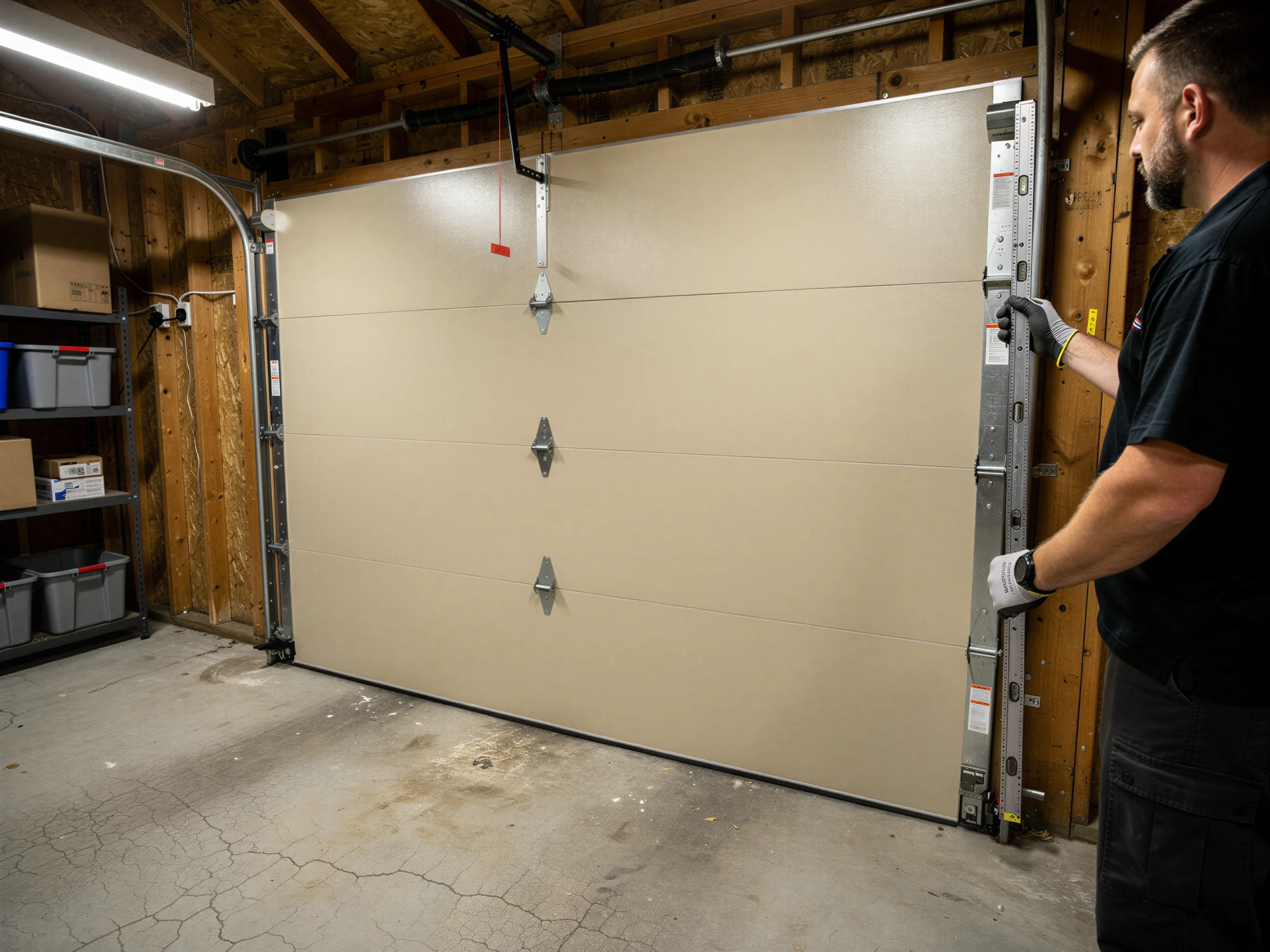
Garage Door Repair for Mankato's Older Housing Stock
Torsion spring failures and frozen track jams hit Mankato's 1950-1996 housing stock hard every winter. Learn more →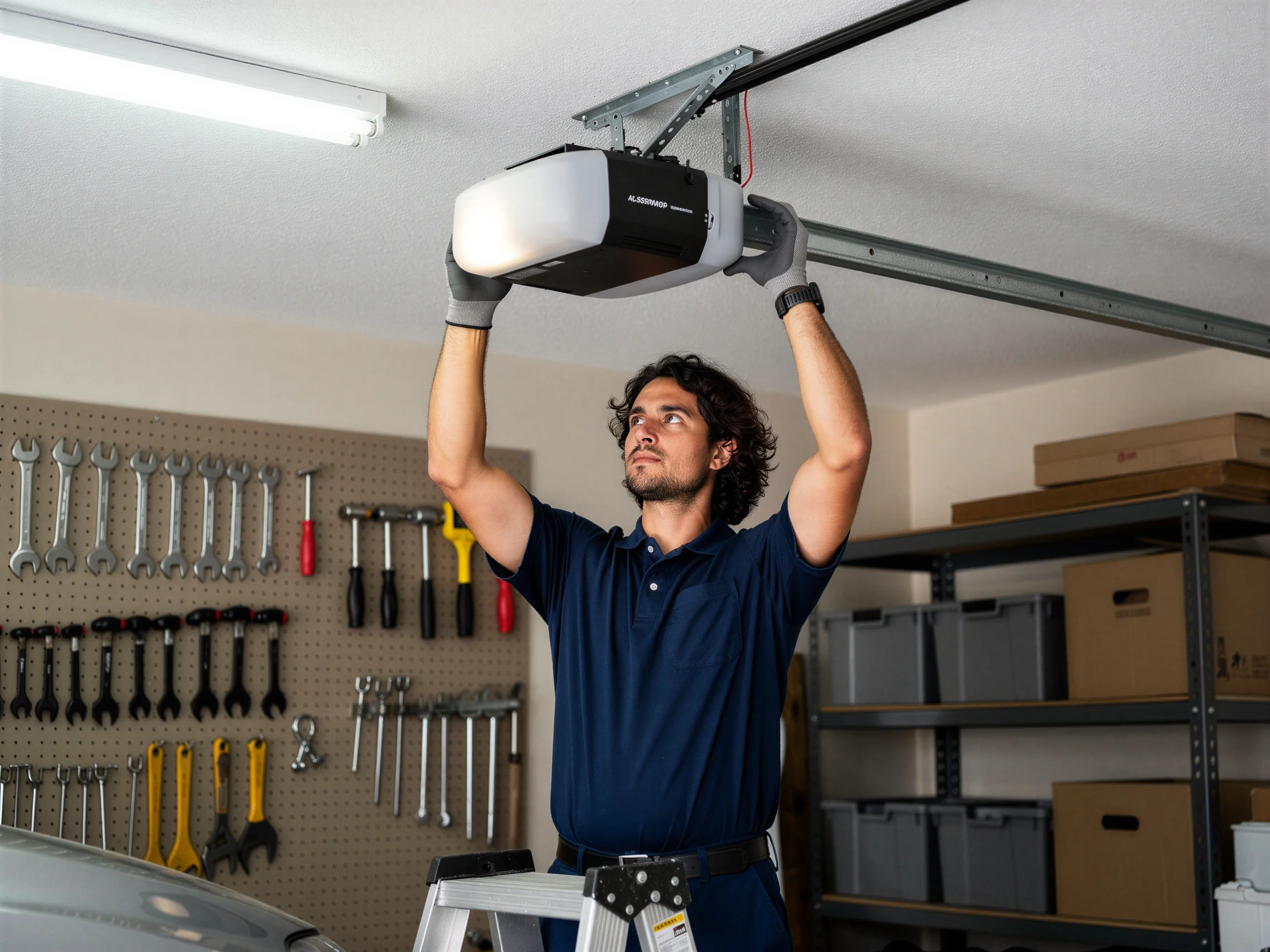
Garage Door Opener Installation for Mankato Homes
Opener installs and replacements for Mankato's 1950-1996 housing stock, built to handle severe cold winters. Learn more →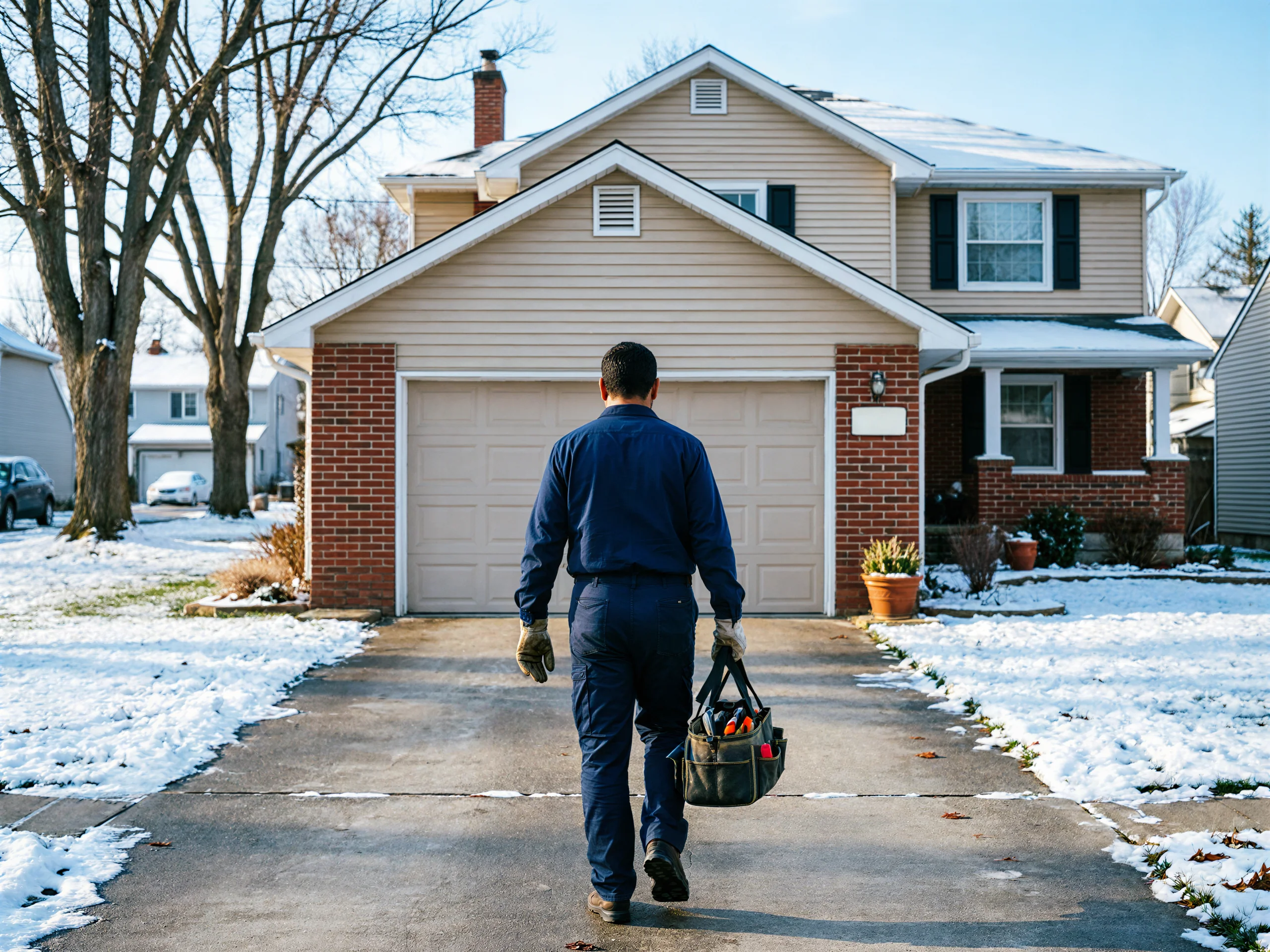
Emergency Garage Door Repair, Mankato MN
Broken spring or dead opener in Mankato's cold? Learn more →Ready when you are
Cracked or dented door panel in Mankato?
Mankato Garage Door Pros repairs and installs garage doors, springs and openers in Mankato, MN and the surrounding area.