
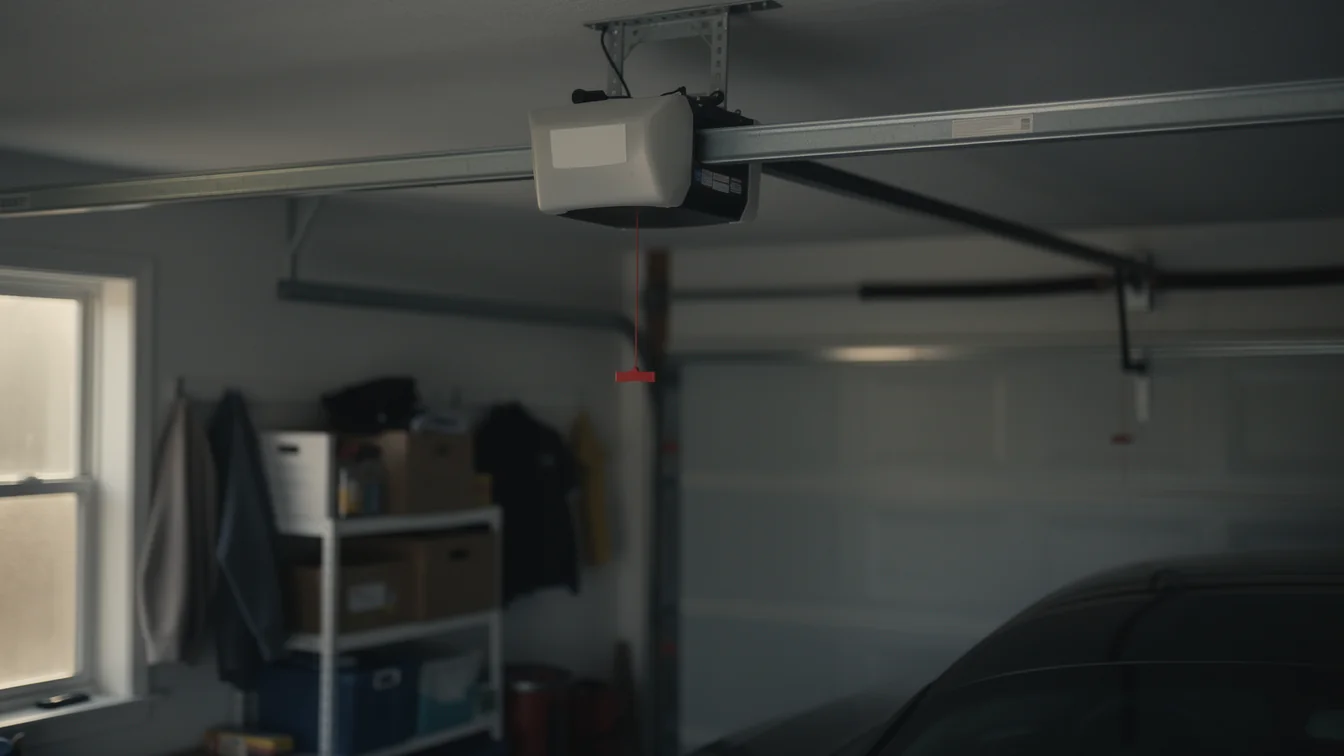
What Happens to an Opener When the Power Goes Out in Mankato
Mankato homes built mostly between 1950 and 1996 rely on openers that fail when winter power dips.
Read moreA straight look at what our service call actually checks on Mankato homes, most built between 1950 and 1996, through a cold-climate winter cycle.
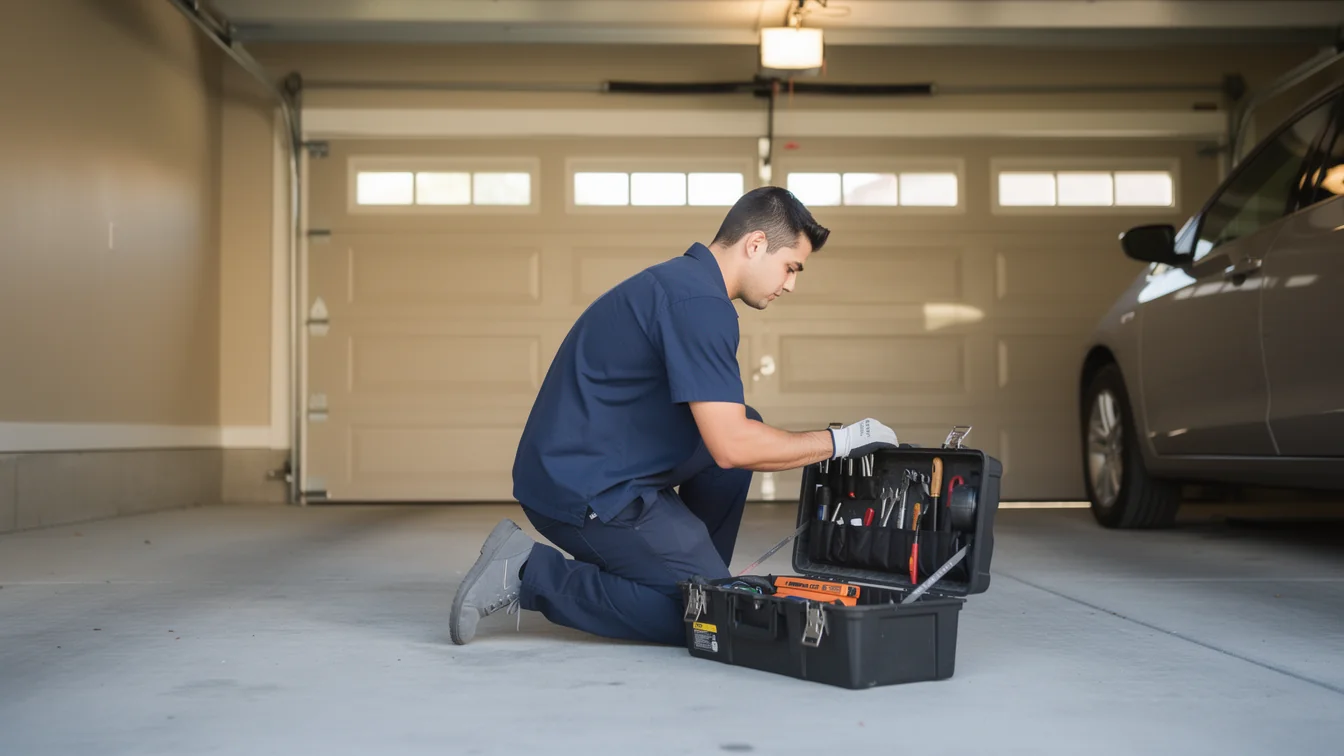
Local detail
If your door is opening and closing fine, it's reasonable to put off a call. We won't talk you into a visit you don't need. But in Mankato, where most houses in the 16 named neighborhoods we work went up between 1950 and 1996, with the bulk of that stock dating to the 1960s and '70s, the parts on these doors are a lot closer to the end of their rated cycle than a newer build would be. A torsion spring rated for 10,000 cycles doesn't care that the door still looks fine - it cares how many winters it's been wound tight through freeze-thaw swings. Waiting isn't wrong. It's just worth knowing that on a house from that era, 'working fine' and 'about to snap' can look identical until the morning it doesn't open.
The area
The common mistake we see on calls around Mankato is treating a slow or noisy door as a lubrication problem when it's actually a tension problem. On the 1960s and '70s builds that make up most of this area's housing, original hardware was sized for the door weight and insulation standards of that decade - not for a heavier insulated replacement panel someone bolted onto the old track later. When a homeowner swaps the door skin but keeps the original spring and opener, the spring is now under-tensioned for the new weight, and every call-back we get is some version of that mismatch. We check actual door weight against spring wind during a service call, not just whether the door moves.
What we find
This area sits in a cold-severe climate band, and that matters more to garage doors than people expect. Steel contracts in deep cold, which tightens tolerances on tracks and rollers that were already decades old. On the older stock here - built as early as 1950 - that contraction plus original steel rollers (not the sealed nylon kind) means more friction right when the opener motor has the least torque to spare in cold temps. We see openers burn out gear sets every winter for exactly this reason. A service call in this climate isn't just checking for rust; it's checking whether the hardware can still take the seasonal swing the way it was asked to forty-plus winters ago.
How we work
A service call covers the whole chain, not just the symptom you called about: spring tension against door weight, cable wear at the drum, track alignment, roller condition, and opener force settings against current cold-weather load. On a house from the 1975 median build year for this area, we're usually finding at least one part still original, and one part someone replaced without matching it to the rest of the system. That's not a knock on past repairs - it's just what forty-five to seventy years of ownership turnover looks like on a door. One honest limit: if the track is bent or the panels are rusted through, we'll tell you replacement beats another repair call, because patching a door that age past a certain point just moves the next failure to next winter.
Questions
If the door or opener is original to a house built before the mid-1970s, which covers a lot of this area, lubrication alone usually isn't the fix. At that age the spring has likely gone through more wind cycles than it's rated for, and the real issue is tension or a worn cable, not friction.
Cold steel contracts, tightening the fit between rollers and track, and the motor has less torque available in low temperatures. On older steel-roller hardware common in this area's 1960s-70s housing stock, that extra friction plus reduced motor torque is why openers often fail in the coldest months.
Usually yes, if the track and panels are still straight and solid. A spring swap on a door from the 1960s or '70s is a normal, cost-effective repair. It only stops making sense once rust or bent track means the rest of the system is failing alongside it.
Recommendation
More garage door guides for Mankato homeowners.
Mankato homes built mostly between 1950 and 1996 rely on openers that fail when winter power dips.
Read more
Mankato homes built 1950-1996 see torsion springs fail hard when cold hits them.
Read more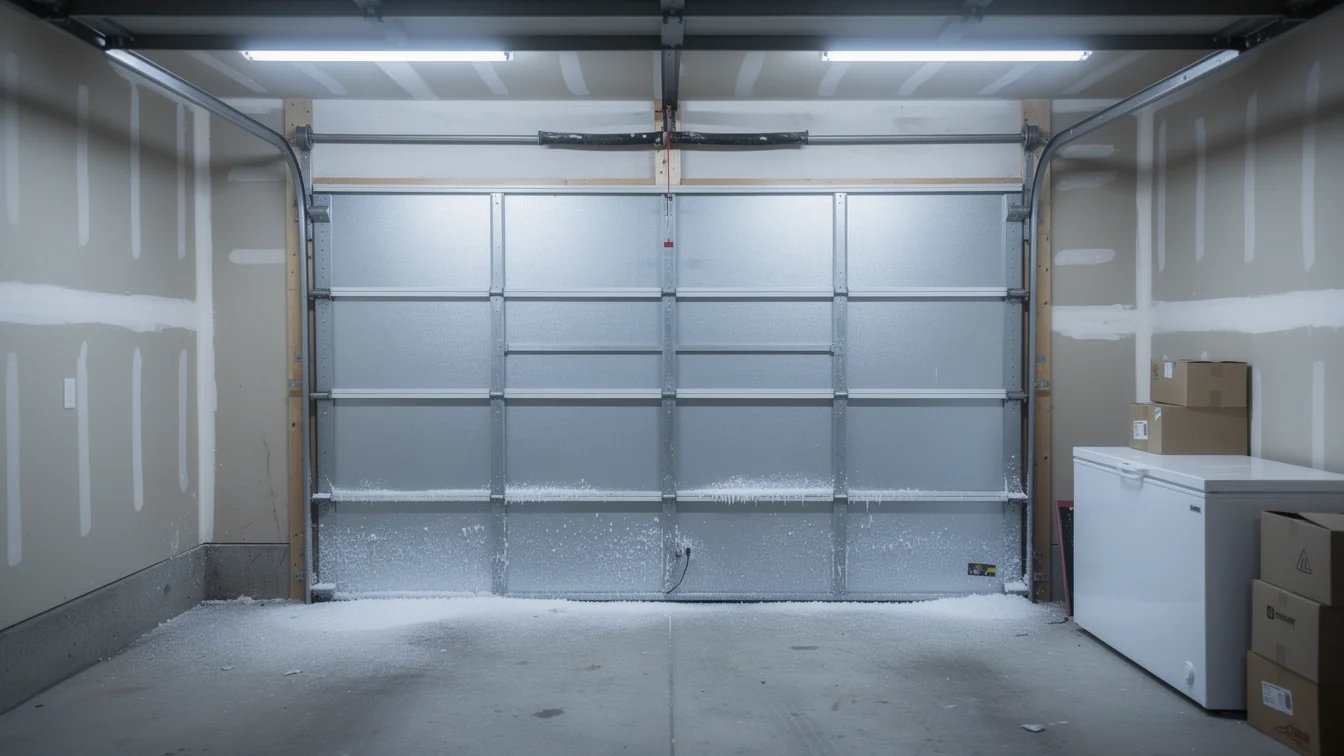
Mankato's housing stock mostly dates to the 1960s-70s with a 1975 median build year, and the cold climate band here turns small door problems into bigger ones fast.
Read moreReady when you are
Mankato Garage Door Pros repairs and installs garage doors, springs and openers in Mankato, MN and the surrounding area.