
Mankato, MN
Garage Door Repair for Mankato's Older Housing Stock
Torsion spring failures and frozen track jams hit Mankato's 1950-1996 housing stock hard every winter. Here's what's actually failing and what it takes to fix it.
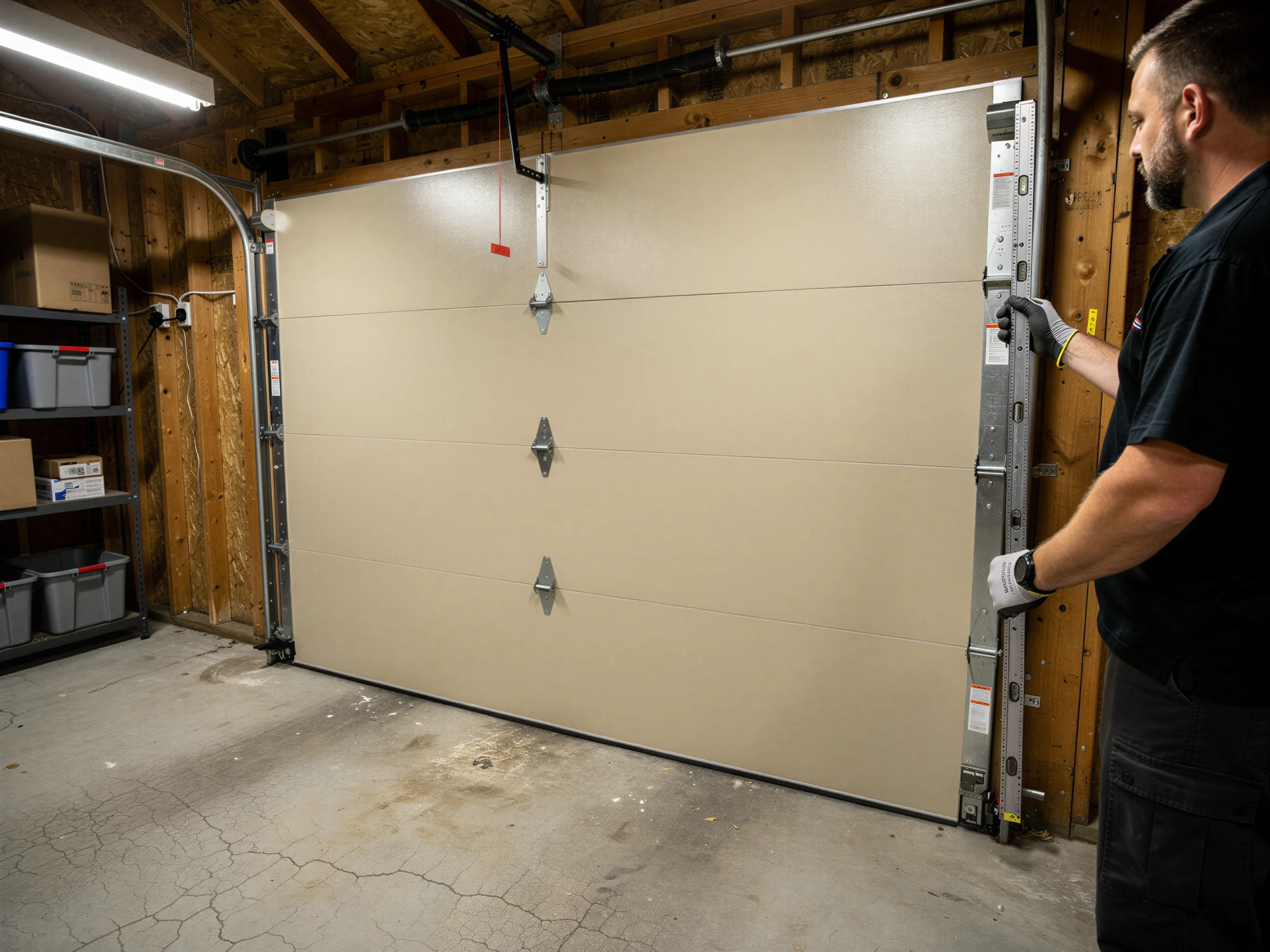
What You Are Seeing
If your door won't budge, or it opens six inches and stops, or it slams down the last foot of track, you're looking at one of a handful of failures that show up over and over in this area.
Fast drop, failing spring
A torsion spring that's lost tension will let the door drop fast near the bottom because the cable has nothing pulling back against it. A jammed roller or bent track shows up as a door that grinds, hangs crooked, or stops mid-travel. An opener that hums but doesn't move the door usually means the gear inside has stripped, not that the whole unit is dead.
Build-era hardware patterns
Mankato's housing stock is mostly 1960s and 70s construction, with the broader build window running 1950 to 1996 across the sixteen named areas in this service territory. Doors and openers installed when those houses were built, or replaced once already in the 90s or early 2000s, are now well past the point where springs and rollers wear out on schedule rather than by accident.
Slow decline, sudden failure
The symptom you're seeing today is rarely new - it's the end of a slow decline that started with a squeak six months ago. We don't guess at this over the phone. A spring that looks fine can be one cycle from snapping, and a track that looks straight can be bent just enough to bind under cold-stiffened grease.
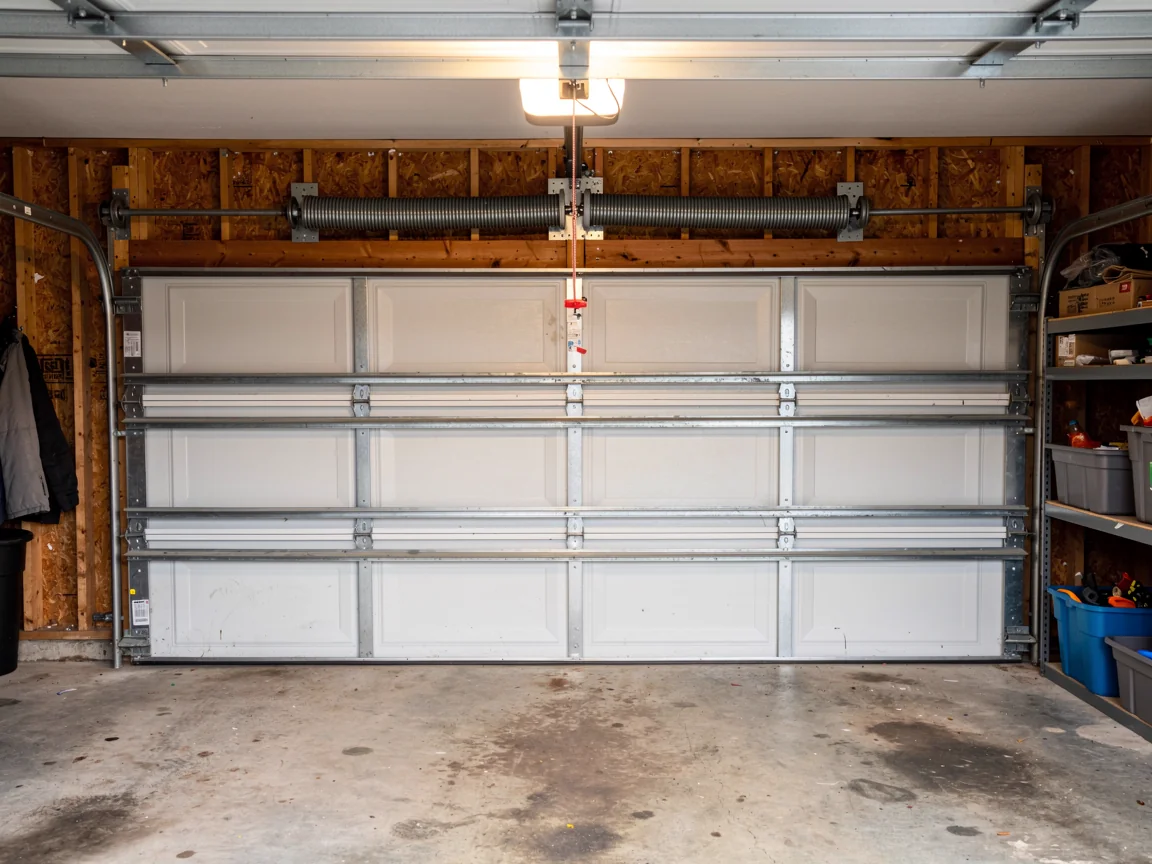
Why This Fails Locally
Cold is the variable that changes everything here. This area sits in a severe cold climate band, and that matters for garage doors in a specific way: lubricant thickens, metal contracts, and seals stiffen right when the door is asked to cycle the most - mornings when everyone's leaving for work at once. A spring under tension that would hold through a mild winter can fatigue faster here because the steel is working harder in the cold to do the same lift.
The age of the housing stock compounds it. Houses built in the 1960s and 70s, which make up most of what's on the ground across these sixteen communities, often still carry the original torsion hardware or a first-generation replacement from decades ago. That hardware wasn't built for today's heavier insulated doors if a door's been swapped at some point, and it wasn't built to run forever on the same springs either way. Add in slab or block foundations settling over fifty-plus years and you get tracks that are a few degrees out of plumb - not enough to notice by eye, but enough that cold-stiffened rollers catch instead of roll.
This isn't a Mankato-specific design flaw. It's what happens when 1950-1996 housing stock meets a hard winter decade after decade. The failures cluster in January and February for a reason.
How Long You Are Without the Door
A broken spring or a jumped cable on a standard door is usually a same-visit fix once we're on site with the right spring size - we carry common sizes on the truck, but an uncommon torsion spring on an older or oversized door sometimes means a short wait on a part. A stripped opener gear is a similar story: in stock, it's quick; special-order, it isn't.
What takes longer is anything involving a bent track or a panel that's been hit, because straightening a track wrong just sets you up for the next failure, and a replacement panel on an older door sometimes isn't made anymore - at that point replacing the section, or the door, is the honest answer even though it's not the cheaper-sounding one in the moment.
We won't tell you a job will take twenty minutes if it won't. If your door is original to a 1960s or 70s build and hasn't been serviced, expect us to check more than the one failed part, because a spring that just went is often not the only thing wearing out on that hardware.
What You Pay
What you pay depends on what's actually broken, not on a flat number we can quote before we see the door. A spring replacement on a standard door costs less than an opener swap, which costs less than a full door and track replacement on an older house with original hardware.
Upfront pricing before work
We'll tell you the number before we touch anything, not after. One honest limitation: we don't install the cheapest off-brand doors just to hit a lower number. On a house with 1960s-70s original framing, a door that's undersized or poorly matched to the opening causes callbacks, and callbacks cost everyone more than doing it right once.
Income-based pricing consistency
Household income across this service area runs a median around $81,000, which tells us most jobs here are a planned repair, not a stretch, but we still price every job the same way regardless of the house.
Repair versus replacement call
If a repair doesn't make sense against replacement - say, a 30-year-old door with a cracked panel and a worn-out opener both at once - we'll say so plainly instead of nickel-and-diming a fix that won't last.
Questions
Common questions
Why did my garage door spring break in the middle of winter?
Cold stiffens the lubricant and steel on torsion springs, and that extra resistance during a severe-cold winter is often the last straw for a spring that's already fatigued from years of daily cycles. It's rarely the cold alone - it's the cold pushing an already-worn spring past its limit.
My house was built in the 1960s - is my garage door hardware original?
A lot of houses in this area, built mostly in the 1960s and 70s, still have original or first-generation replacement torsion hardware. If no one's documented a spring change, assume it's old and have it checked before it fails on its own schedule.
Can you fix a bent track instead of replacing it?
Sometimes, if the bend is minor and caught early. But a track bent enough to bind under cold-stiffened rollers is usually telling you it's past straightening - forcing it back into shape just sets up the next jam a season later.
How fast can you get to a stuck garage door?
We don't have a universal number to quote for every call, and we won't invent one. What we can tell you is that spring and cable jobs on standard doors are usually handled in one visit once we're on site with the right part.
Explore more
Explore More Services In Mankato, MN
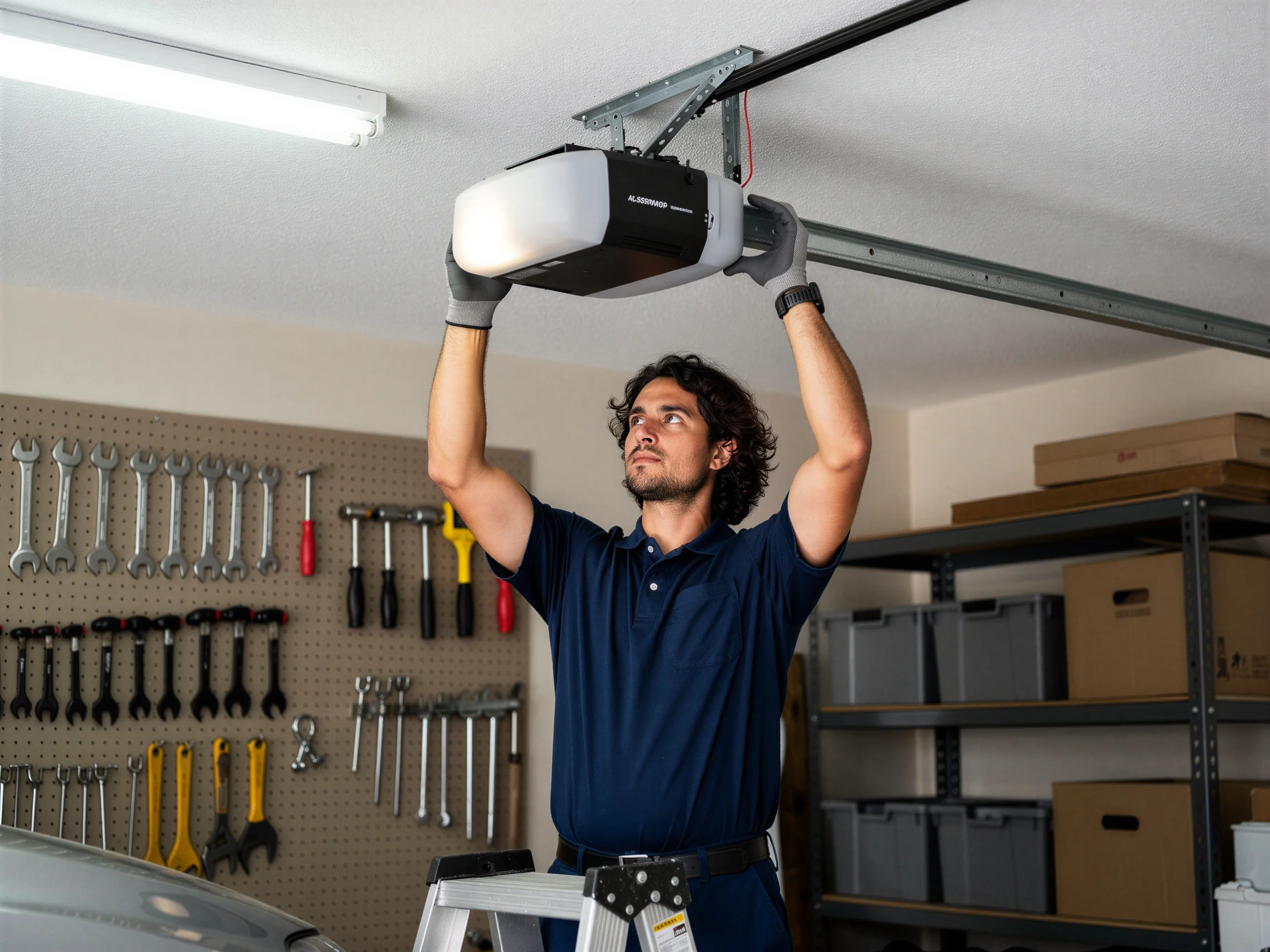
Garage Door Opener Installation for Mankato Homes
Opener installs and replacements for Mankato's 1950-1996 housing stock, built to handle severe cold winters. Learn more →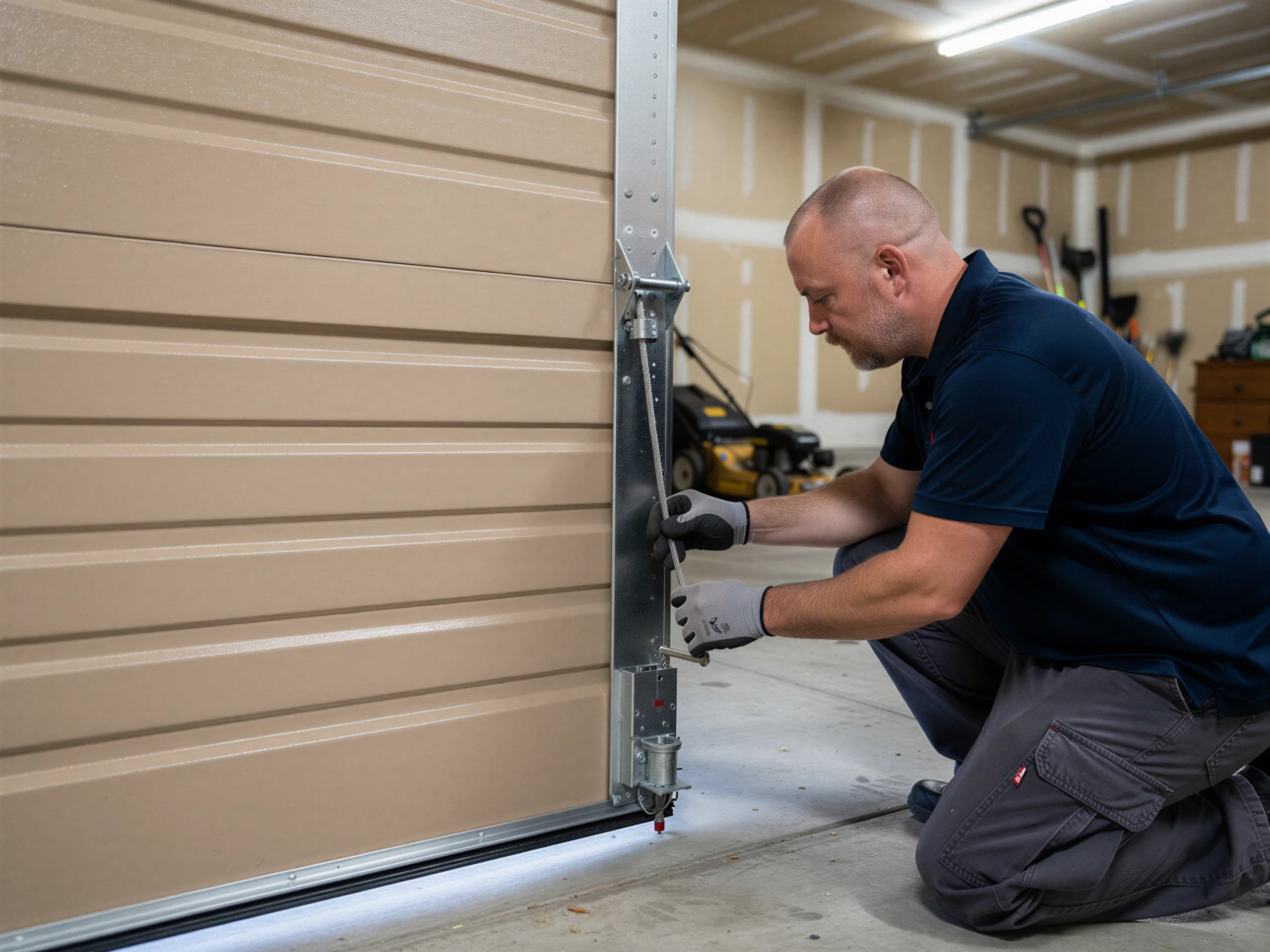
Garage Door Cable Repair Around Mankato
Frayed or snapped garage door cables are common in Mankato's 1960s-70s housing stock. Learn more →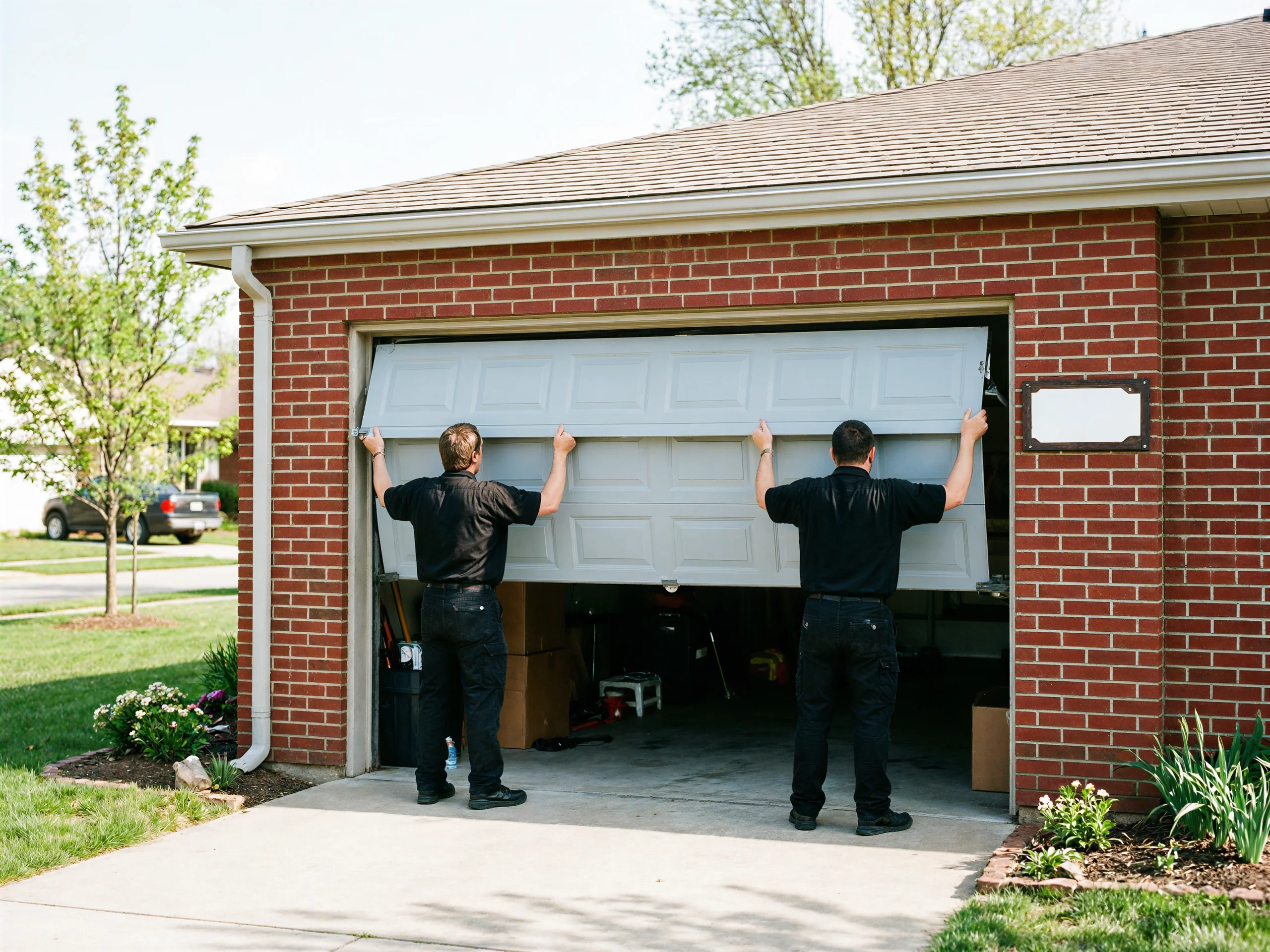
Replacing a Garage Door on a 1960s or '70s Mankato Home
New garage door installation in Mankato, MN for houses built 1950-1996. Learn more →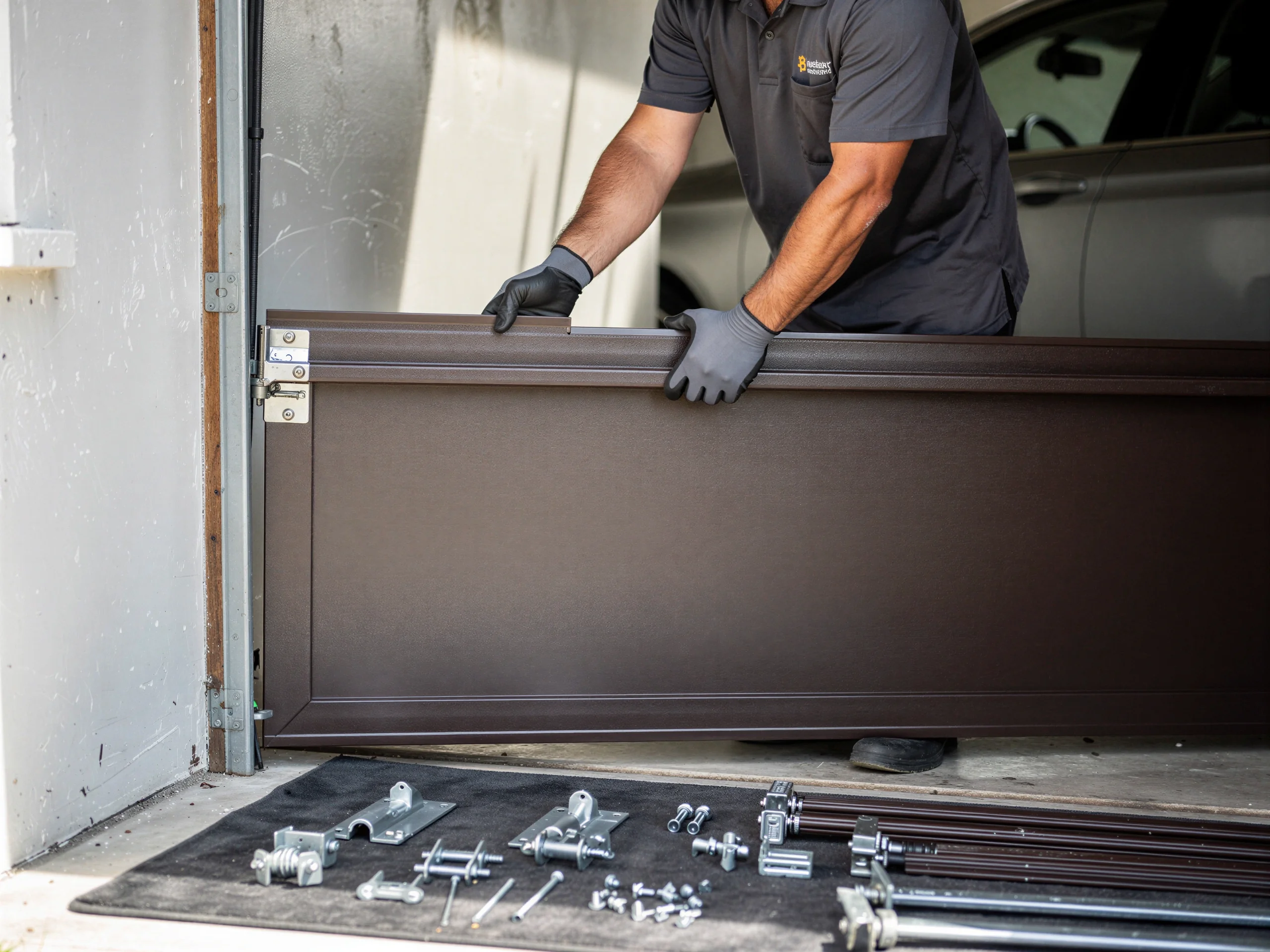
Garage Door Panel Replacement for Mankato Homes
Dented, cracked, or rusted garage door panels are common on Mankato's 1960s-70s housing stock. Learn more →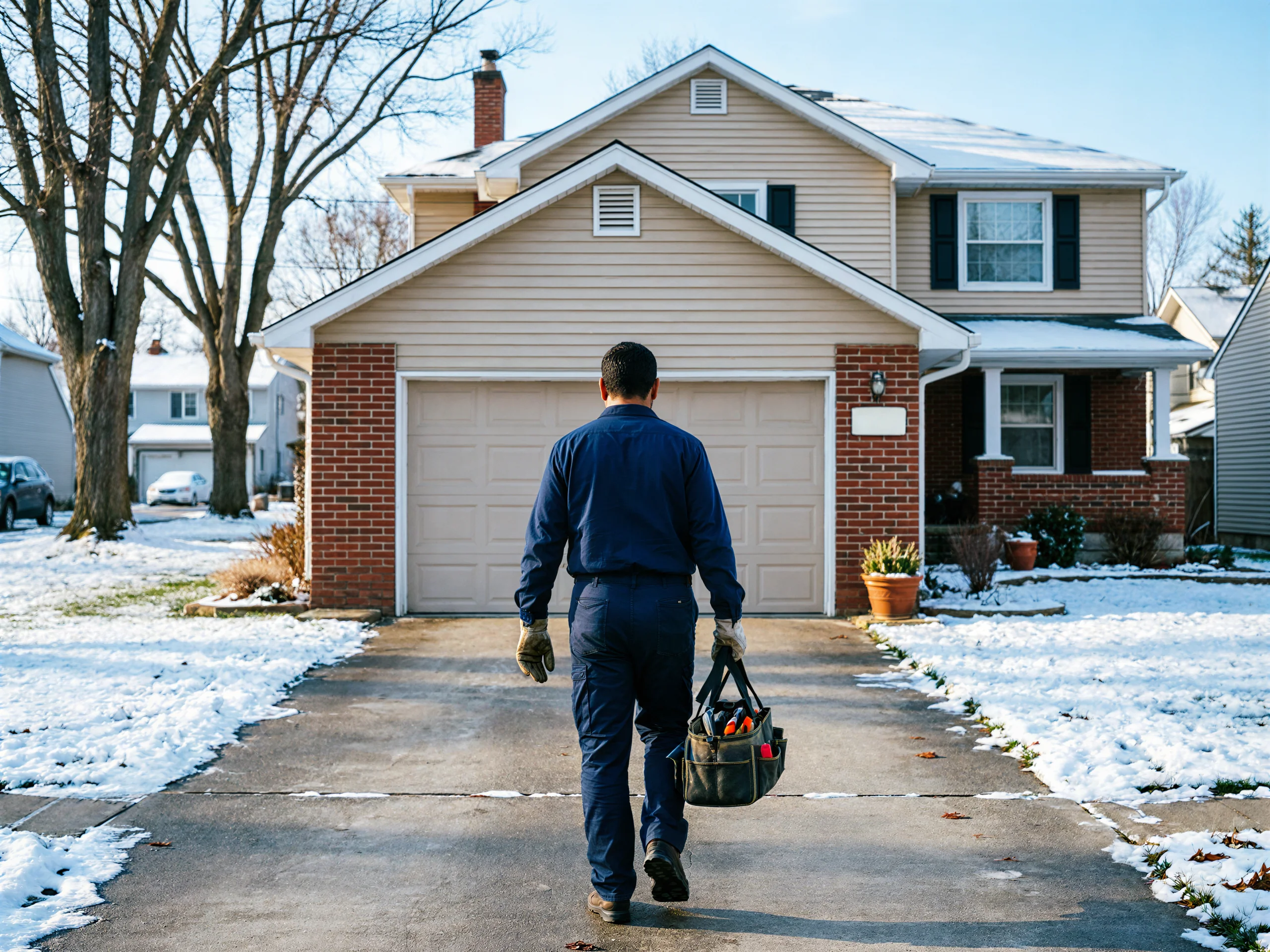
Emergency Garage Door Repair, Mankato MN
Broken spring or dead opener in Mankato's cold? Learn more →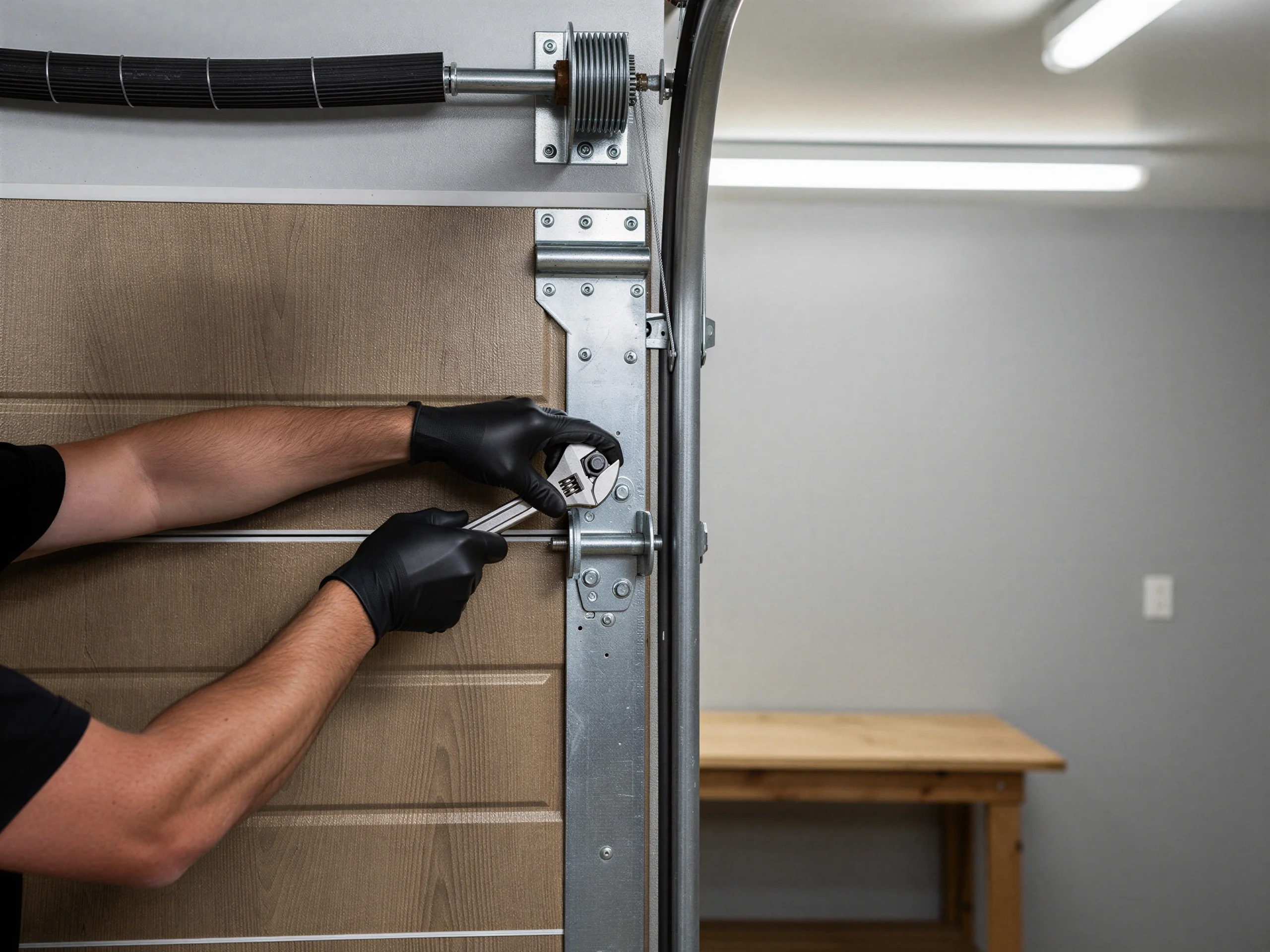
Garage Door Service for Mankato's 1960s-70s Housing Stock
Garage door repair for Mankato homes built mostly between 1960 and the mid-1970s, where cold-climate wear and original hardware are the common failure points. Learn more →Ready when you are
Garage door trouble in Mankato?
Mankato Garage Door Pros repairs and installs garage doors, springs and openers in Mankato, MN and the surrounding area.