
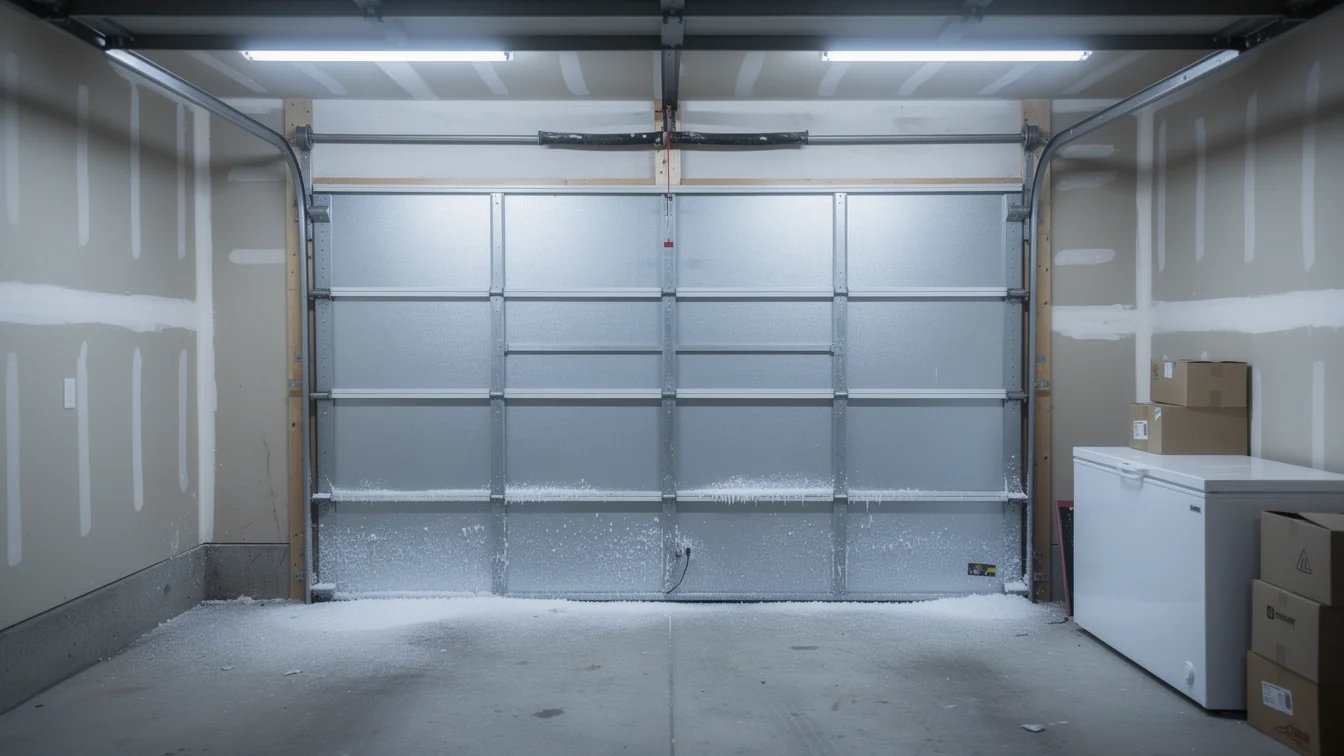
What Happens When You Put Off a Garage Door Repair in Mankato
Mankato's housing stock mostly dates to the 1960s-70s with a 1975 median build year, and the cold climate band here turns small door problems into bigger ones fast.
Read moreMankato homeowners: if your garage door squeals, bangs, or grinds, here's what's really happening - and why the cold winters and 1960s-70s stock matter.
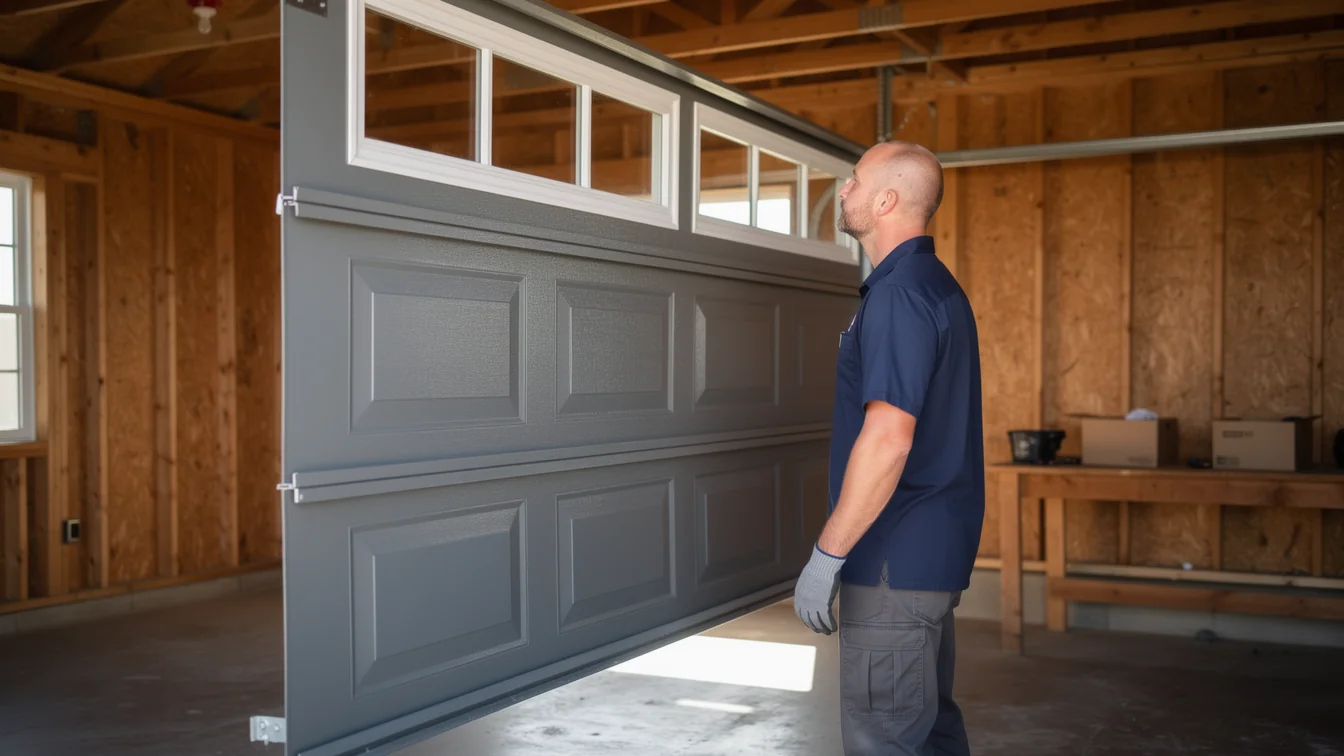
Local detail
A lot of Mankato homeowners let a noisy door run for months because it still opens and closes. That's a reasonable instinct right up until it isn't. Most houses in Mankato's older neighborhoods went up between 1950 and 1996, with the median landing around 1975, which puts a lot of original springs and hardware right at the end of their service life. A spring rated for a certain number of cycles doesn't care that the door still works today - it cares about the number, and houses from that era are closing in on it.
Waiting isn't free. A door that grinds on the rollers is wearing the track faster than it would otherwise, and a cable that's starting to fray under load doesn't announce itself with a warning shot - it just goes. The sound you're hearing now is usually the cheap problem. The sound you'd hear if you keep ignoring it is the expensive one: a spring letting go under tension, or a cable snapping with the door half up. None of that means panic over every squeak. It means noise is information, and in a 50-year-old garage, it's worth fifteen minutes of attention.
The area
The most common mistake we see is spraying WD-40 on the springs and calling it maintenance. WD-40 is a solvent, not a lubricant - it cleans the coating off the spring and leaves it drier than before. The bulk of the housing stock here dates to the 1960s and 70s, meaning a lot of these garages still have the lighter extension-spring setups mounted above the horizontal track rather than torsion springs over the header, and those two systems fail in completely different ways. Lubricating the wrong part, or lubricating the right part with the wrong product, doesn't fix a noise - it just changes what it sounds like for a few weeks.
The second mistake is assuming a noise is cosmetic because the door still moves. A grinding sound from the rollers almost always means the roller bearing is gone, not that the track needs oil. A rhythmic thump once per rotation usually means a bent track section or a roller that's worn out of round. Neither gets better by ignoring it, and neither is solved by tightening random bolts, which is the third mistake - fasteners loosen from vibration, but over-tightening a track bracket can pull it out of alignment entirely.
What we find
Mankato sits in a climate band classified as severely cold, and that matters more for a garage door than most people expect. Steel contracts in cold temperatures, which changes the tension on springs and the clearance in the track. Grease and lubricant that flow fine in July turn stiff and gummy in January, and a stiff lubricant makes a roller bind instead of roll - that's the source of a lot of the grinding and squealing calls that come in once the real cold sets in.
Moisture matters too. Condensation inside an unheated garage settles on exposed springs and track hardware, and over a winter that's enough to start surface rust, especially on original hardware from houses built in the 1960s and 70s that's never been replaced. Rust adds friction, friction adds noise, and noise under tension is the kind you want to catch early rather than late. None of this means your door is failing - cold weather noise is normal to a degree. It means a noise that shows up specifically in winter and goes quiet in summer is usually tension and lubrication, not a structural problem.
How we work
When we get a call about noise, we're listening for a few specific things, and the answer usually traces back to the age and type of hardware common in this area. A metallic popping as the door moves points to a roller bearing failing inside its housing - cheap to fix, loud while it lasts. A deep grinding that follows the whole travel of the door usually means the track is out of alignment, which is common once a house passes the 40 or 50 year mark and the framing has shifted slightly. A sharp bang, once, with the door suddenly harder to lift, is almost always a spring - and on the extension and lightweight torsion setups typical of houses built mid-century, that's not a part we'd want you testing yourself.
Here's the honest limit: we can't tell you over the phone whether your noise is a ten-dollar roller or a spring that's about to go. Noise alone doesn't carry enough information - we need to see how the door moves under load. What we can tell you is that in a town built mostly between 1950 and 1996, the hardware behind that noise has usually been doing its job for longer than it was designed to.
Questions
Cold temperatures stiffen lubricant and contract the steel in springs and track, which changes clearance and tension. A door that's quiet all summer and starts grinding or squealing once it's consistently below freezing is usually telling you it needs fresh lubrication and an alignment check, not that something has broken.
Usually, yes. A single sharp bang followed by the door becoming noticeably harder to lift is the classic sign of a torsion or extension spring letting go. Don't try to open it manually past that point - the counterbalance is gone and the door is heavier than it looks.
It can be. A lot of the garages in houses from that era still have their original hardware, which means springs and rollers that are decades past a normal service life. Age alone doesn't cause noise, but it means the parts are closer to failure than in a newer install.
Lubricating rollers and hinges with the right product is fine maintenance. What we'd caution against is treating lubrication as a fix for grinding, popping, or banging - those usually point to a worn part or misalignment that oil won't resolve, and ignoring them risks a bigger failure later.
Recommendation
More garage door guides for Mankato homeowners.
Mankato's housing stock mostly dates to the 1960s-70s with a 1975 median build year, and the cold climate band here turns small door problems into bigger ones fast.
Read more
Mankato's housing stock runs 1950-1996, median 1975.
Read more
Mankato homes built 1950-1996 see torsion springs fail hard when cold hits them.
Read moreReady when you are
Mankato Garage Door Pros repairs and installs garage doors, springs and openers in Mankato, MN and the surrounding area.