
North Mankato, Mankato
North Mankato's Garage Doors Run on 1980s Hardware
North Mankato's homes date mostly to 1982, decades newer than much of Mankato's housing stock, so openers, springs, and tracks wear on a different schedule here.
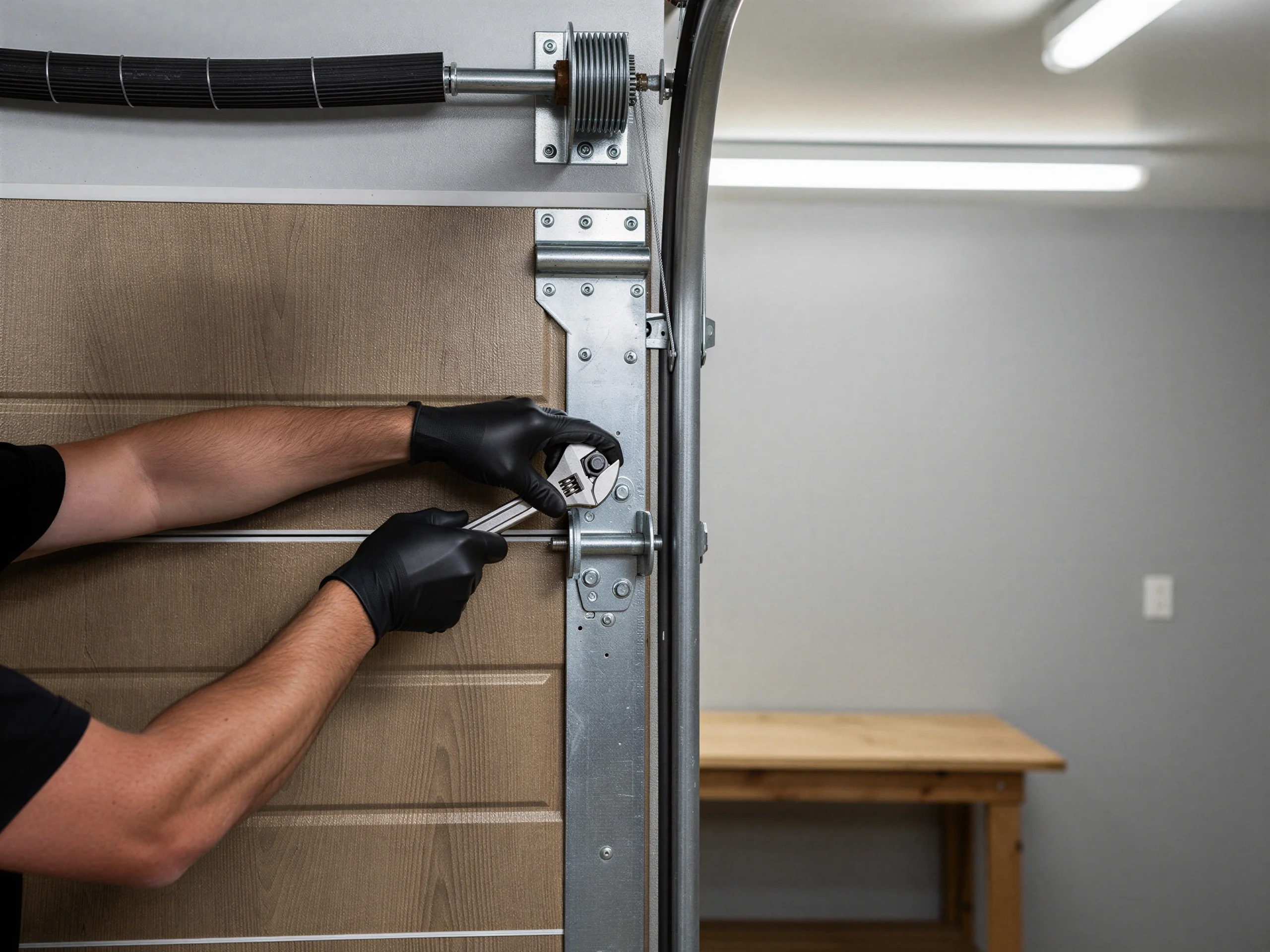
Getting It Booked In
We run out of Mankato, and North Mankato sits about 3 miles across the river, so getting a truck to you isn't the issue - scheduling around a one-town-over trip is just part of the job, not a special service tier.
Same techs, same routing
There's no branch office here, no separate crew; it's the same techs who work the rest of the service area, routed to your address the same way they'd route to any stop 3 miles out. What matters more than distance is what we find when we get there.
Decade-era spring standards
Doors going up around 1982, which is the rough median build year for this side of the river, usually shipped with openers and spring setups that were standard for that decade - not what's common in homes built in the 1960s a few miles away, and not what's in new construction either.
Share house age when booking
If you're booking a maintenance visit, mention the approximate age of the house. It changes what we bring on the truck and how long the visit runs, because a 40-year-old torsion setup and a newer extension-spring door don't get serviced the same way.
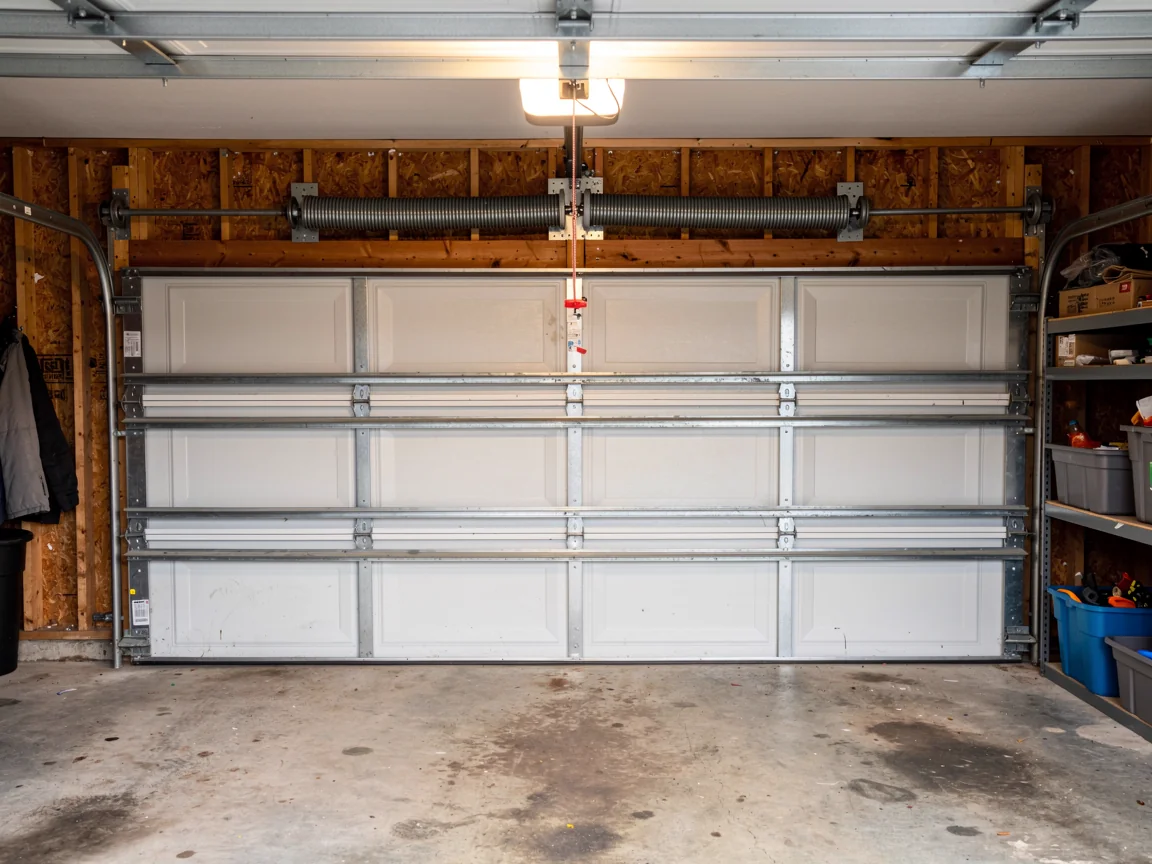
Where This Job Goes Sideways
A door installed around 1982 is old enough that the original springs have usually been replaced at least once, but the track brackets and the header hardware often haven't.
Mixed new spring, old system
That's where maintenance calls here go sideways - someone's had the spring swapped at some point, but the rest of the system is original, and the new spring is now fighting hardware that's 40-plus years worn.
Stem corrosion in rollers
Galvanized rollers from that era corrode at the stem even when the roller itself looks fine, and that's a slow failure that doesn't show up until the door starts binding on one side. We see it more in houses from this build period than in the newer stock closer to the edges of the service area, simply because there's been more time for the coating to go.
Legacy safety reversal mechanism
The other common issue: openers from the 80s and 90s weren't built with the force-sensing safety reversal standards that came later. If yours still has the older mechanism, that's not a maintenance fix - it's a conversation about whether the opener itself needs to go.
What You Pay
We don't have a posted price for maintenance visits here, and we're not going to make one up to fill this section. Cost depends on what the door needs once we're looking at it - a basic lube-and-adjust is a different job than one where we're also replacing corroded rollers or resetting a torsion spring's tension on 40-year-old hardware.
What we can tell you is the kind of household this falls on. The area has a median household income in the mid-$70,000s and a housing stock that's mostly owner-occupied rather than rented, which tends to mean people doing scheduled upkeep rather than waiting for a full breakdown. That's the profile a maintenance visit is built for - catching the roller before it seizes, not replacing a door that's already failed on a Saturday morning. If you want a number before we're on site, ask when you call. We'll give you a real one, not a placeholder.
What the Fix Involves
On a door from the 1982 era, a maintenance visit usually starts with checking spring tension by hand rather than assuming the balance is right, because these doors have often had one spring replaced without the other, which throws the whole lift off.
Fastener loosening from cycling
We check the track bolts and header bracket for the slow loosening that 40 years of thermal cycling causes - expansion and contraction from a cold climate works on fasteners the same way it works on concrete.
Cracked seal is not cosmetic
We lubricate hinges, rollers, and the opener's drive mechanism, and we inspect the bottom seal. In this part of Minnesota, where winters bring sustained cold rather than the occasional freeze, a cracked bottom seal isn't cosmetic - it's the difference between a garage that holds above freezing and one that doesn't.
Auto-reverse test on older openers
We also test the auto-reverse safety feature on anything installed before current standards were common, since that's the one thing on an older door we won't leave unchecked, even on a routine visit. If the opener can't be made to pass that test, we'll say so rather than sign off on a maintenance visit that skipped it.
Why This Fails Locally
The climate here is classified as severe cold, and that's the backdrop every maintenance visit runs against. Steel contracts in deep cold, torsion springs lose some tension in low temperatures, and nylon rollers that were fine in July can crack in January. None of that is specific to any one house - but it lands hardest on hardware that's already 40 years into its life, which describes a lot of doors built around the early 1980s median for this area.
Across the wider service area there are close to 17,600 households and nearly 9,700 owner-occupied houses, spanning housing stock from the 1950s through the 1990s. North Mankato's own stock, clustering around 1982, sits in the middle of that range - newer than the oldest 1950s houses a few miles off, older than anything built in the last two decades. That middle position is exactly why a generic maintenance checklist doesn't fit well here: the hardware era is specific enough that skipping the spring-tension check or the roller inspection on a house this age is how a $30 part turns into a cable snap mid-winter.
Questions
Common questions
How often should I get my garage door serviced in North Mankato?
Once a year is reasonable for most doors in this area, ideally before winter sets in, since the cold-weather stress on springs and seals is where most failures start. If your door is from the 1982-era build wave common here, lean toward checking it in fall rather than spring, so any roller or seal issue gets caught before the hard cold arrives.
Do you have a branch in North Mankato?
No. We run out of Mankato and cover North Mankato as part of the service area, about 3 miles out. There's no separate office here - the same crew and trucks that serve Mankato come across for North Mankato appointments.
Why does my opener need extra checking if it's not broken?
If your house dates to the 1980s or early 90s, your opener may predate current force-sensing auto-reverse standards. It can run fine for years and still not meet the safety response a newer opener would. A maintenance visit is where we test that, not replace the opener outright unless it actually fails the test.
Is a cracked bottom seal really worth fixing?
In a severe cold climate like this one, yes. A cracked seal lets cold air and moisture into the garage, which speeds up corrosion on rollers and track hardware that's already decades old in a lot of North Mankato houses. It's a small part and a quick swap compared to what it prevents.
Explore more
More Services in North Mankato
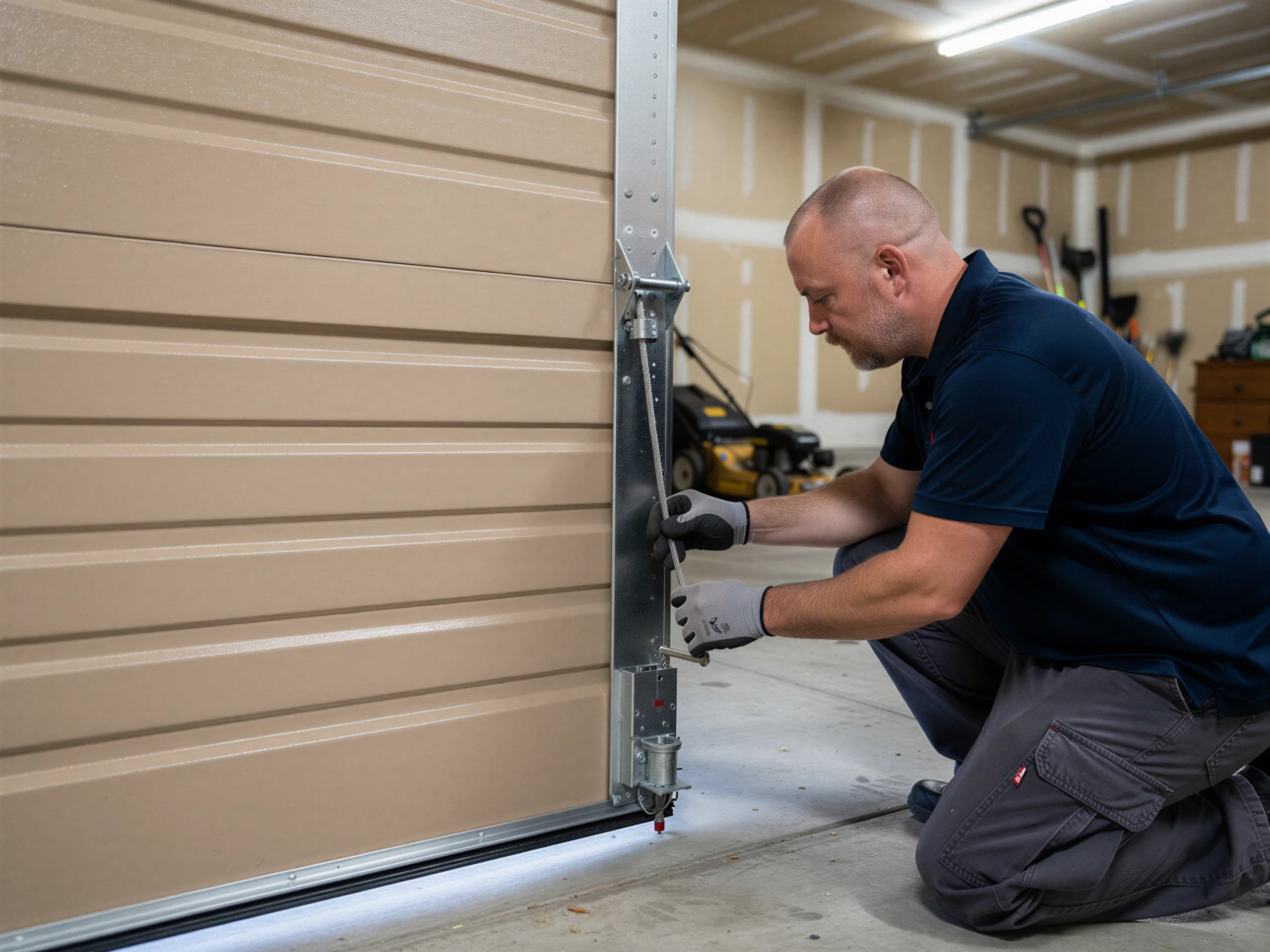
Cable Repair
North Mankato homes mostly date to the early 1980s, which means original stamped-steel cable drums and galvanized cable nobody's touched since the house was built. Learn more →
Emergency Garage Door
North Mankato's housing dates mostly to 1982, which means steel sectional doors on older torsion hardware. Learn more →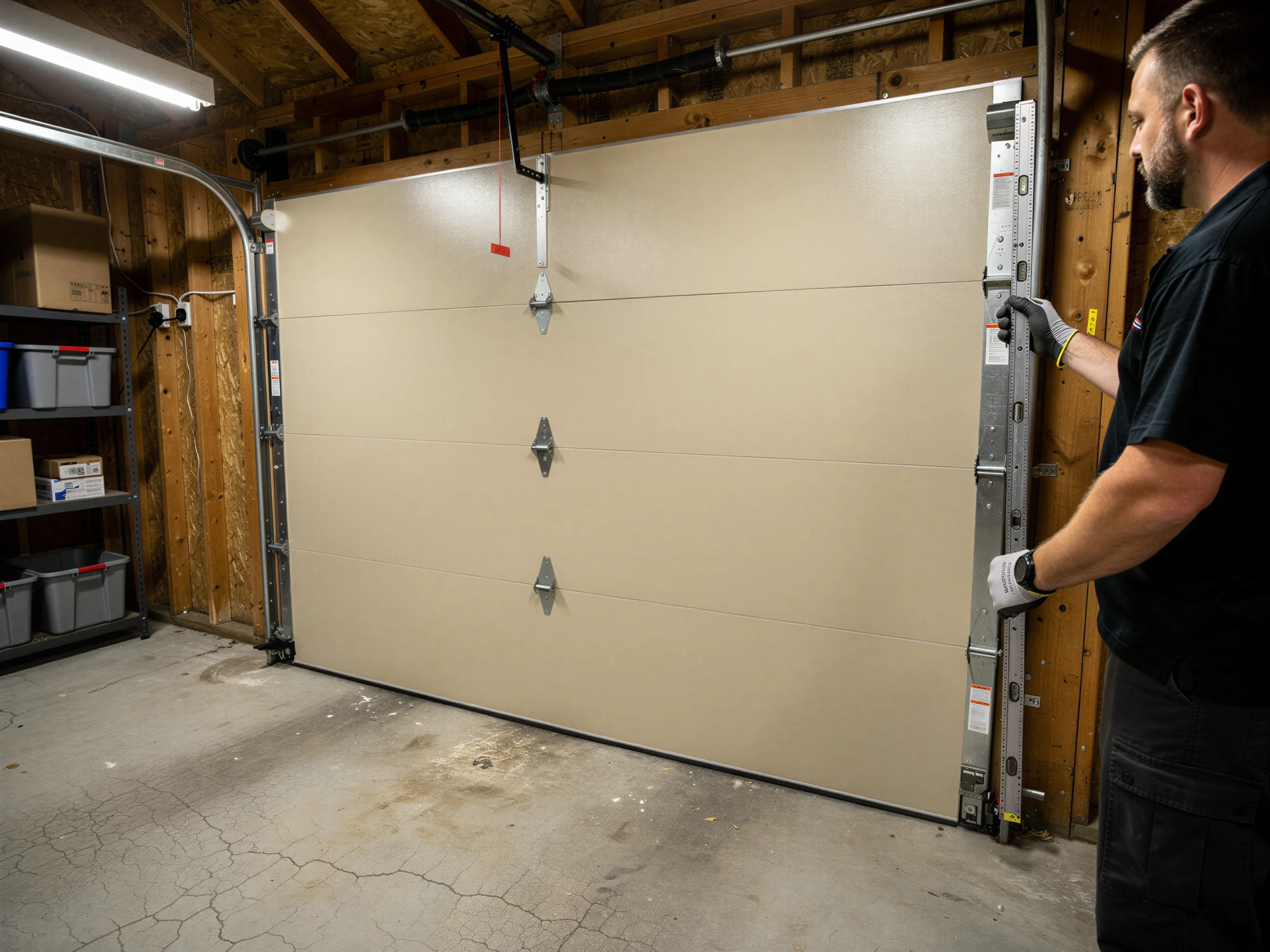
Garage Door Repair
Garage door repair for North Mankato homes built mostly around 1982, three miles from our Mankato shop. Learn more →
Garage Door Service
North Mankato's housing runs newer than the rest of the Mankato area, with a 1982 median build year. Learn more →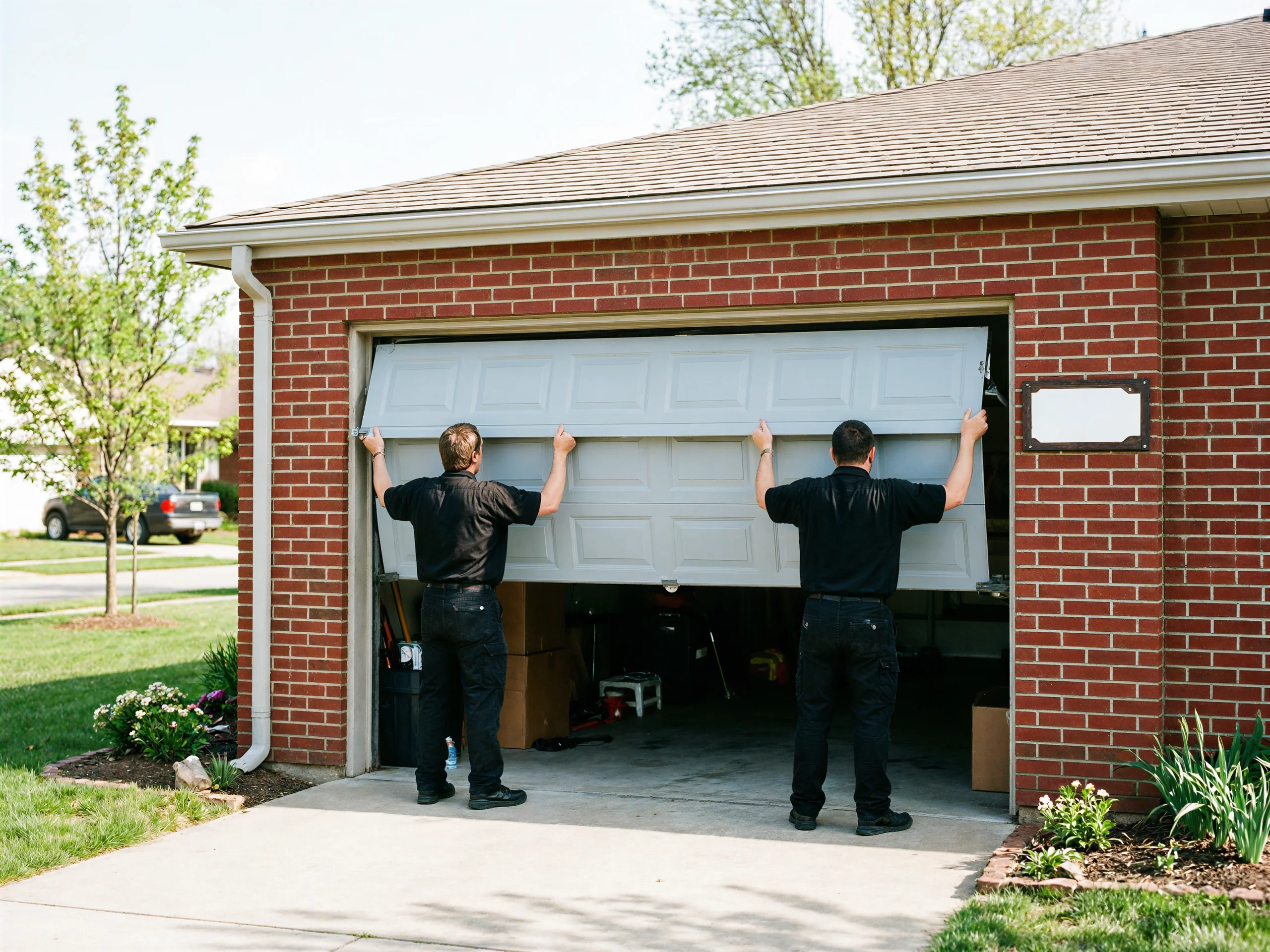
New Door Installation
North Mankato homes mostly date to the early 1980s, a decade newer than most of the service area. Learn more →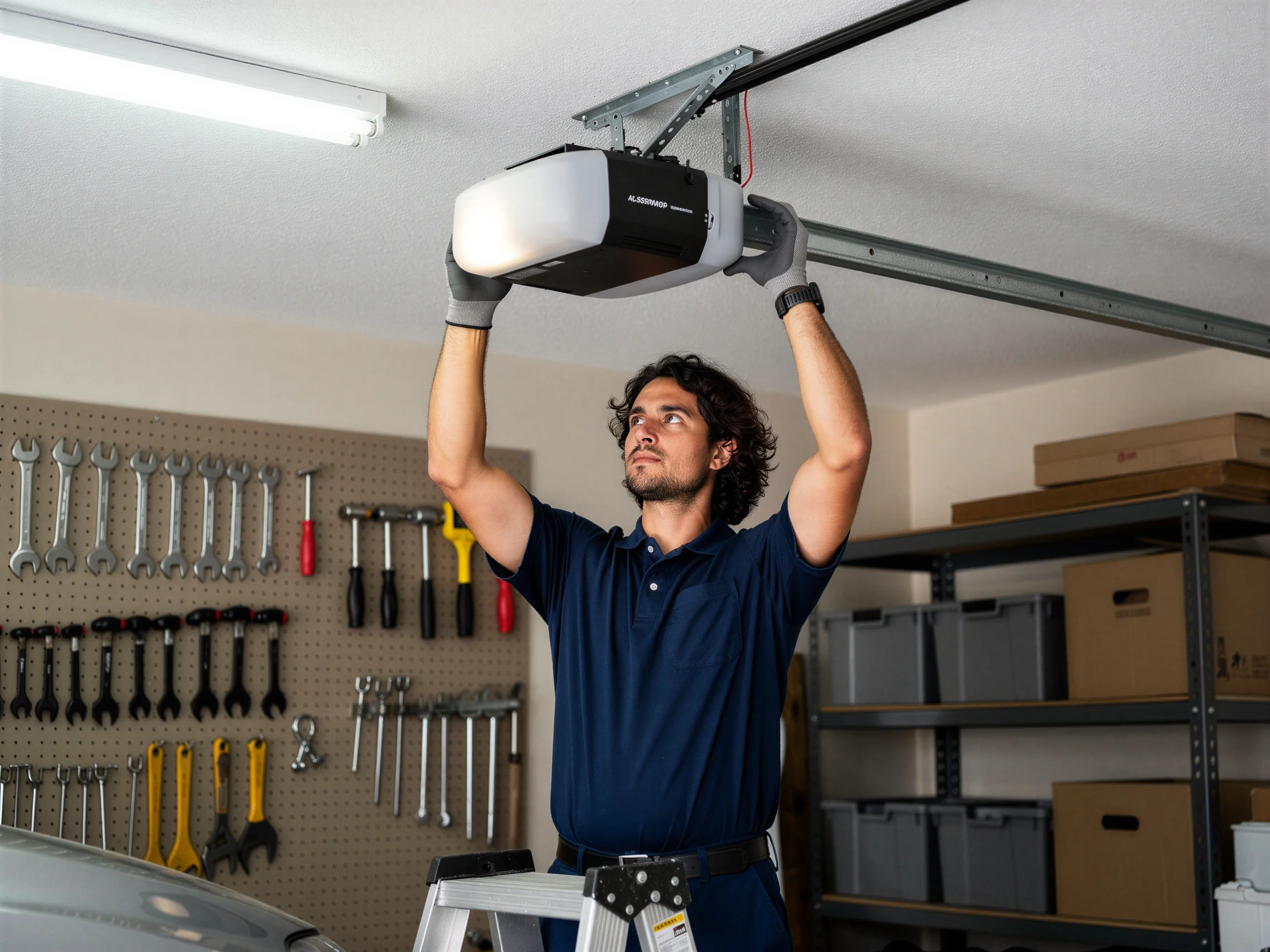
Opener Installation
Opener installs for North Mankato homes built around 1982, covered from Mankato three miles out. Learn more →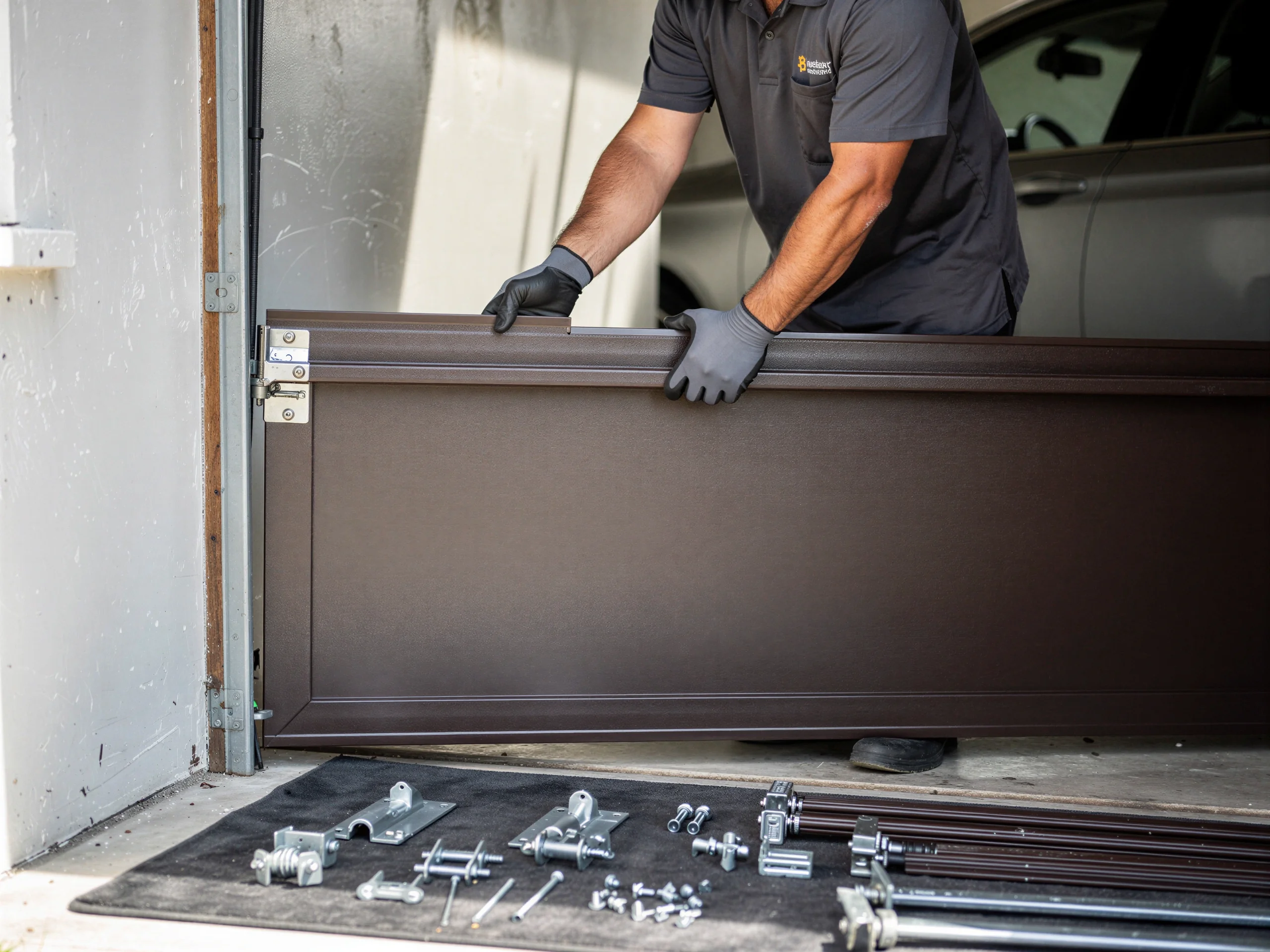
Panel Replacement
North Mankato's 5,922 households sit mostly in homes built around 1982 - steel sectional doors now old enough to need a panel match, not a full swap. Learn more →Ready when you are
Time for a garage door tune-up in North Mankato?
Mankato Garage Door Pros repairs and installs garage doors, springs and openers in Mankato, MN and the surrounding area.