
Eagle Lake, Mankato
Garage Door Maintenance for Eagle Lake's Newer Housing Stock
Eagle Lake homes are newer than most of the Mankato area - 1996 median build year. Here's what that means for spring life, opener age, and yearly upkeep.
Getting It Booked In
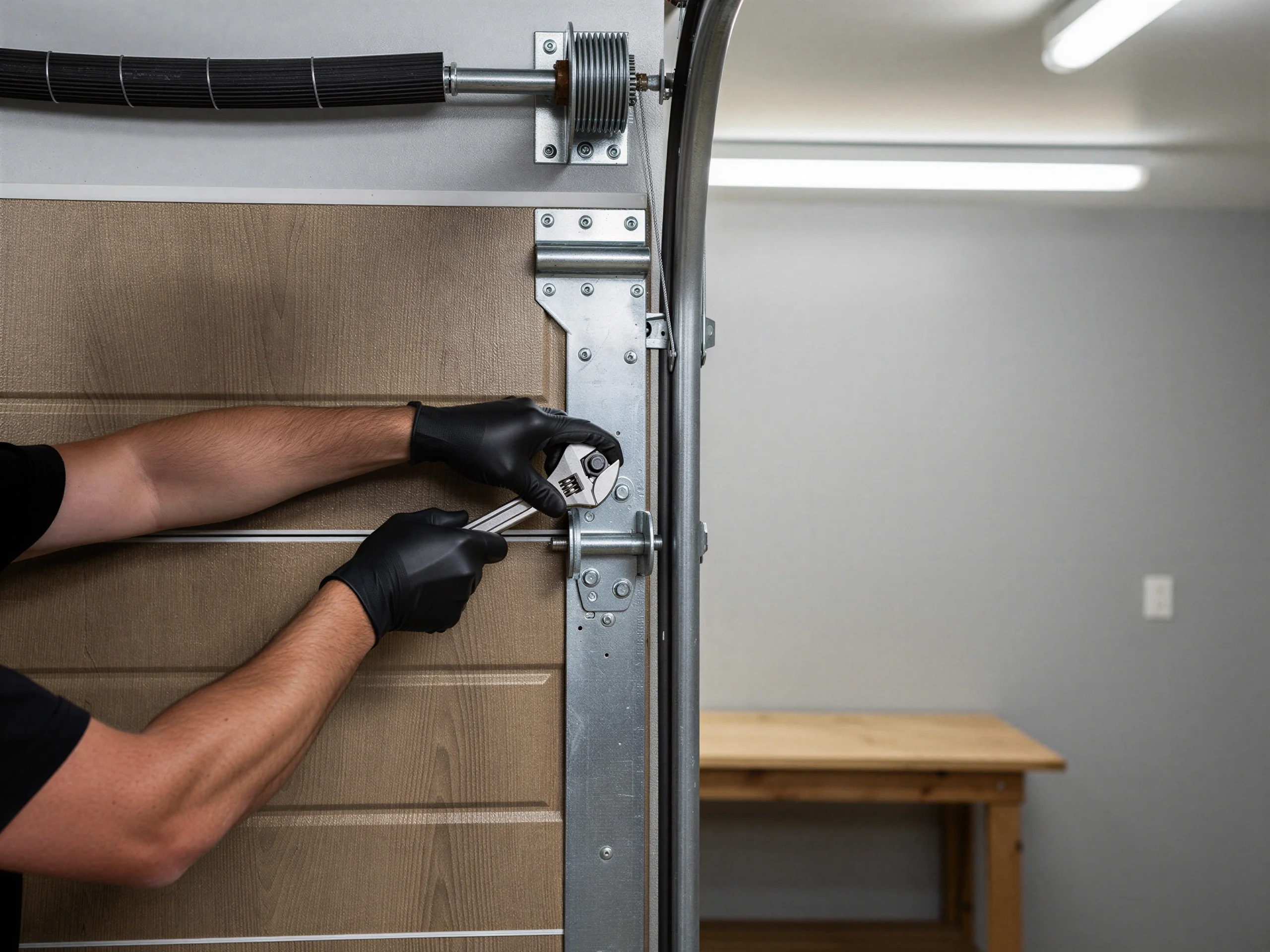
We run out of Mankato, about 5 miles from Eagle Lake, so maintenance visits here get scheduled around the drive rather than a local depot. That's not a problem for a planned tune-up - you're not calling about a door stuck down in the cold, you're setting a date. Because Eagle Lake's housing mostly went up around 1996, a full decade or two after a lot of the rest of the service area, the doors we're working on are usually steel sectional units on factory torsion springs rather than the older side-mounted hardware we see closer to Mankato's core. That changes what a tune-up actually involves, which is worth knowing before you book so you're not paying for parts inspection your door doesn't have.
We'd rather set the visit around what your door needs than run the same checklist on every house in the territory. If your opener or springs look original to a 1996-era build, tell us when you call - it saves time on-site.
Can You Do This Yourself
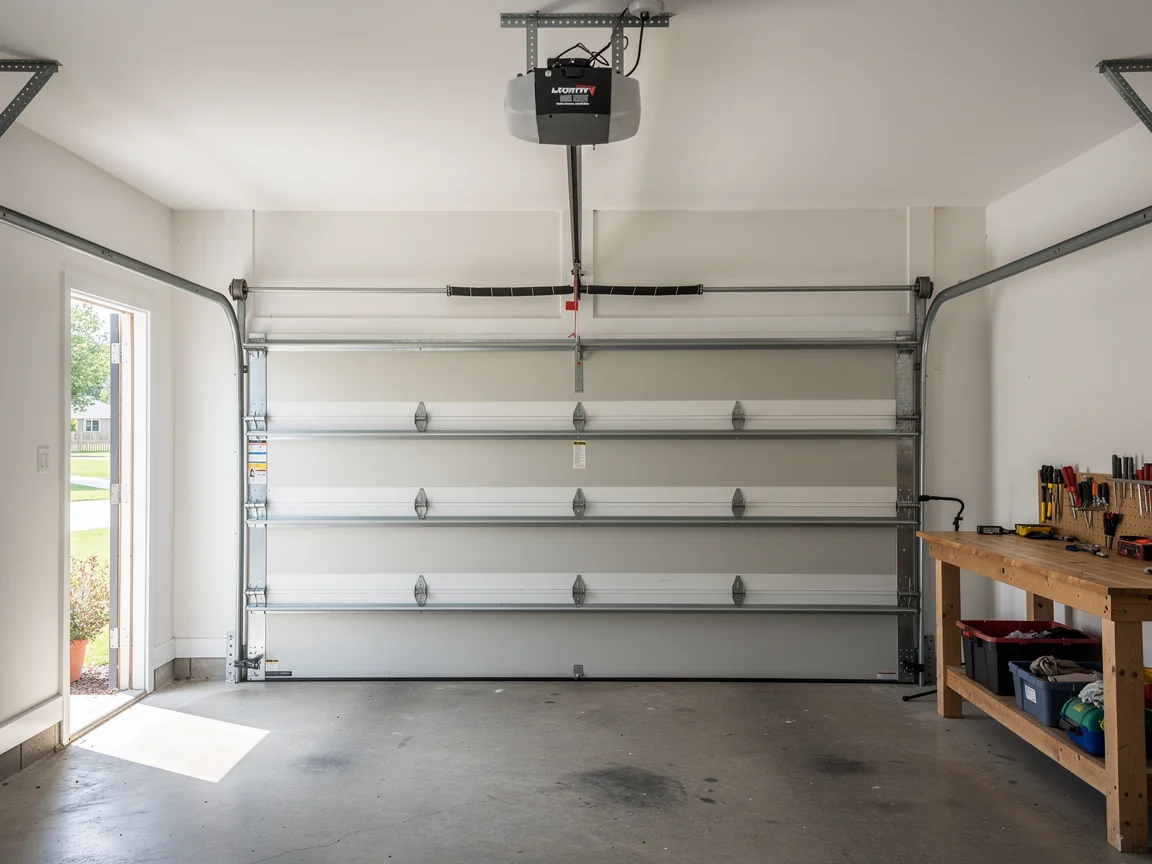
Some of it, yes. Wiping down tracks, checking that the photo-eye sensors near the floor aren't knocked out of alignment, and listening for a grinding roller are all things an owner can do without tools.
Lubricate hinges twice yearly
Lubricating hinges and rollers with the right garage door lubricant (not WD-40, which washes grease out rather than adding it) is a five-minute job twice a year. What you shouldn't do yourself is touch the torsion spring or its cable drums.
Tension can injure
A torsion spring under tension can put someone in the hospital, and on a door from this era it's sized to the panel weight and the opener installed with it - swap that math and you get a door that drops or an opener motor burning out early.
Simple balance test
Balance testing (disconnect the opener, lift the door halfway by hand, see if it holds) is safe to try and tells you a lot. If it doesn't hold, that's a call, not a DIY fix.
How Long You Are Without the Door
A standard maintenance visit doesn't take your door out of service at all - we work section by section while the door stays operable between checks. If something turns up during the inspection that needs a part on hand, like a worn cable or a roller that's cracked, that's usually resolved the same visit since those are common stock items.
Where it stretches out is if the inspection turns up a spring that's near the end of its cycle life but hasn't failed yet. Replacing it preventively, before it snaps and drops the door, is a planned job we can do on the spot in most cases. The door is down for that portion of the visit only, not for days.
What the Fix Involves
On a door built in or near 1996, maintenance is mostly about catching wear before it becomes failure: torsion spring cycle count, cable fraying at the drum, roller wear (nylon rollers from this era are common and they do wear flat on one side), hinge play, and opener force settings.
Verifying auto-reverse function
We check that the auto-reverse safety function actually reverses the door when it meets resistance, since that's a mechanical adjustment that drifts over time, not a one-time setting. We also check the weatherstripping at the bottom panel and the seal where the door meets the slab.
Sealing the bottom gap
In a severe cold climate like this one, a gap there is what lets frost and wind through, and it's a cheap fix compared to what a frozen track does to a roller. None of this requires taking the door off its track for a routine visit.
Where This Job Goes Sideways
The most common surprise on a 1996-era door is an opener that's original to the house and nearing 25-plus years of service with no documented maintenance. The motor can sound fine right up until it doesn't, and by then it's usually cheaper to replace the unit than keep nursing it. We'll tell you straight if that's where your opener is at rather than running another tune-up on it.
The other place it goes sideways is cold-weather lubricant. Grease that's fine in July gums up and slows the door in a severe winter, which looks like a motor problem but isn't. If your door has gotten noticeably slower only since the temperature dropped, that's worth mentioning when you call - it changes what we check first.
Why This Fails Locally
Eagle Lake's housing stock is newer than most of what we see on the Mankato side of the service area - median build year here lands around 1996 versus the 1950 to 1996 range (median 1975) across the wider territory. That means fewer side-mounted torsion setups and extension-spring doors, and more factory sectional steel doors with centered torsion bars and openers built to the post-80s standard. The failure points are different: less rust-through on old panels, more wear-out on rollers and cycle-limited springs that are just getting to the end of their rated life now.
Household income here runs higher than the area median, and with 1,173 households in Eagle Lake compared to 9,651 owner-occupied houses across the whole service area, it's a small, newer pocket - which is exactly why we don't run a generic checklist here. The severe cold climate band applies the same as everywhere else we work, but the hardware it's acting on is a different generation.
Questions
Common questions
How often should I get my garage door maintained in Eagle Lake?
Once a year is a reasonable baseline for a door of this era, ideally before winter so we catch anything the cold will make worse. If your opener is original to the house and pushing 25 years, twice a year gives us a better chance of catching a failing motor before it quits.
Do newer doors like mine still need spring maintenance?
Yes. A torsion spring built in the mid-90s is rated for a cycle count, not a calendar date, and most houses here are past the age where that count starts to matter. We check remaining cycle life at the visit rather than guessing by age alone.
Does Mankato Garage Door Pros have a location in Eagle Lake?
No - we're based in Mankato and travel the roughly 5 miles out to Eagle Lake for scheduled work. There's no local branch here, but that doesn't change what we check or how the visit runs.
Why does my door feel slower in winter?
Standard lubricant thickens in severe cold and drags on rollers and hinges, which looks like a motor or spring problem but often isn't. A cold-rated lubricant and a check of the balance usually solves it - worth mentioning when you book so we check that first.
Explore more
More Services in Eagle Lake
Cable Repair
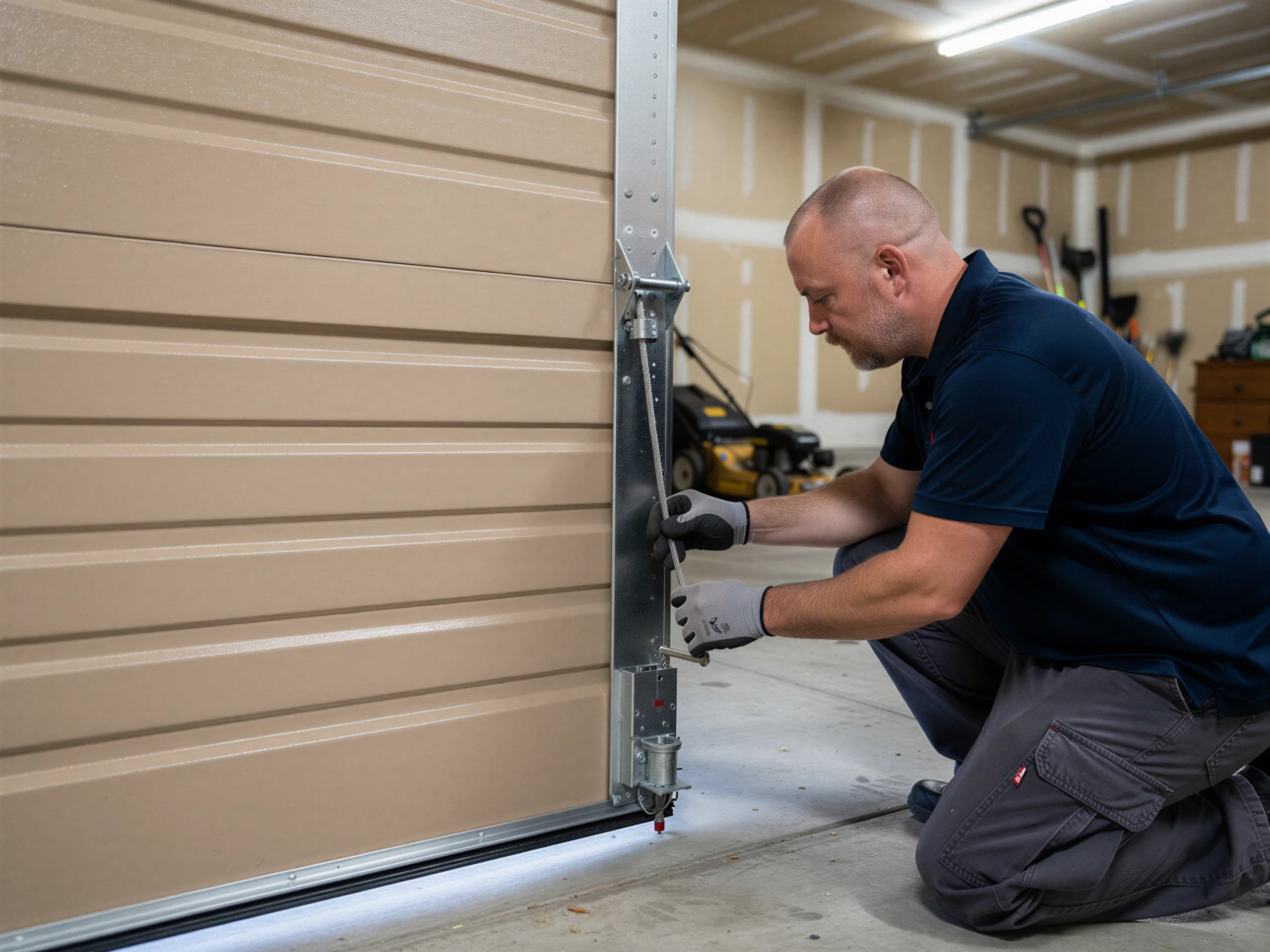
Eagle Lake homes run newer than most of the Mankato area, built mostly after 1980. Learn more →
Emergency Garage Door
Eagle Lake homes mostly went up around 1996, newer than most of the service area. Learn more →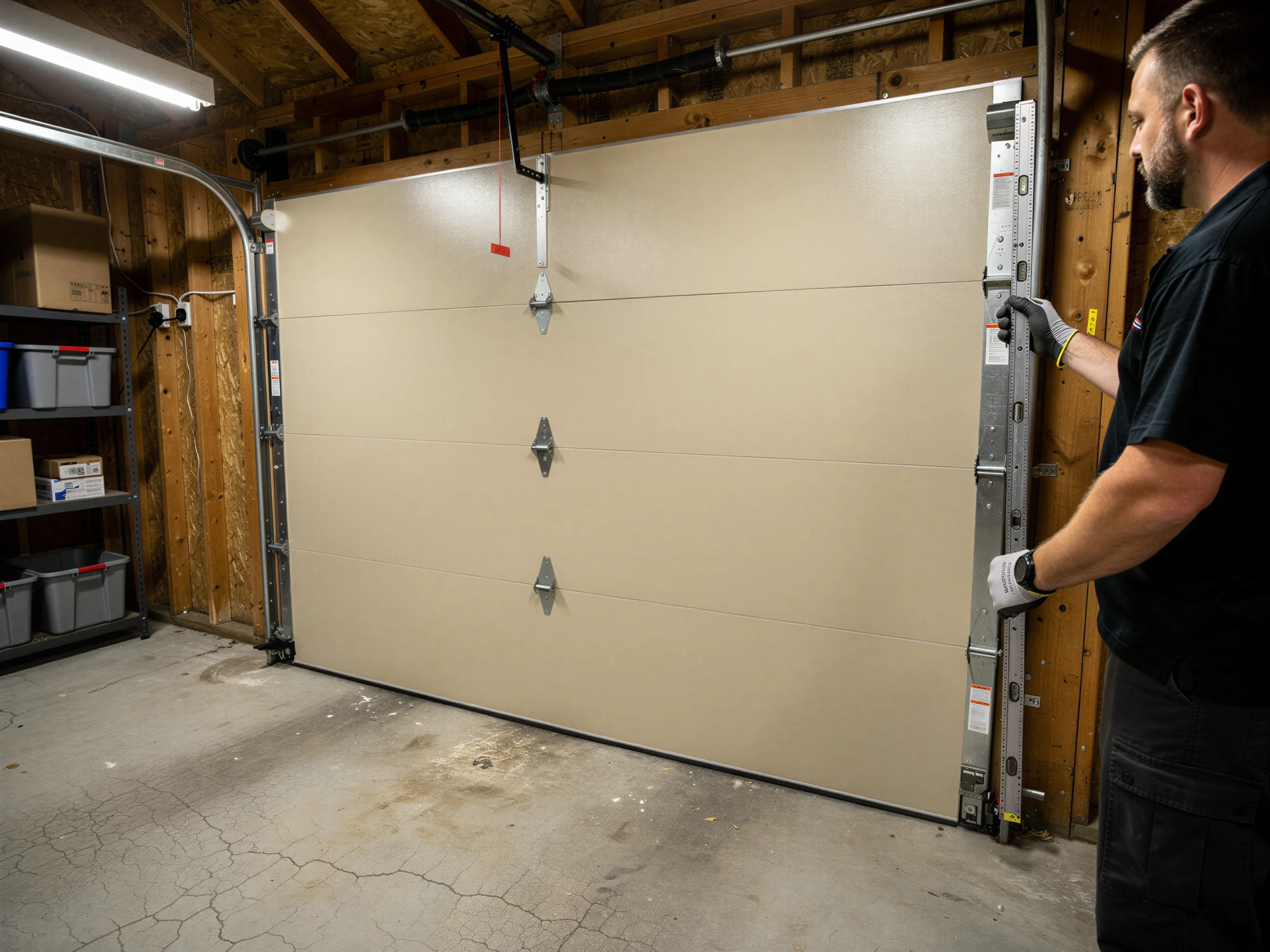
Garage Door Repair
Eagle Lake homes mostly date to the 1990s, not the 1960s stock common elsewhere in the service area. Learn more →
Garage Door Service
Eagle Lake homes run newer than most of the Mankato area, built closer to 1996. Learn more →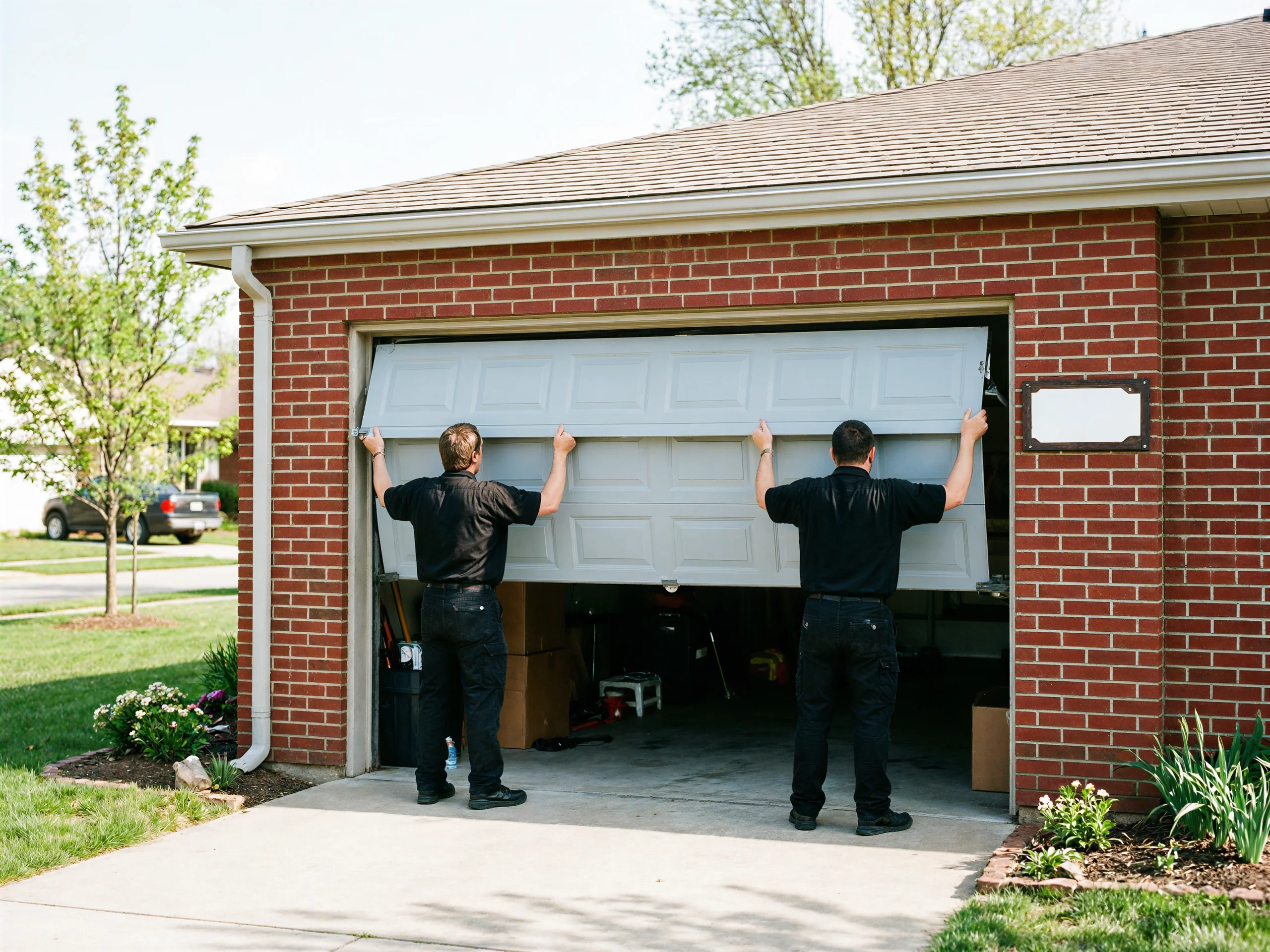
New Door Installation
Eagle Lake homes run newer than the Mankato average, built mostly around 1996. Learn more →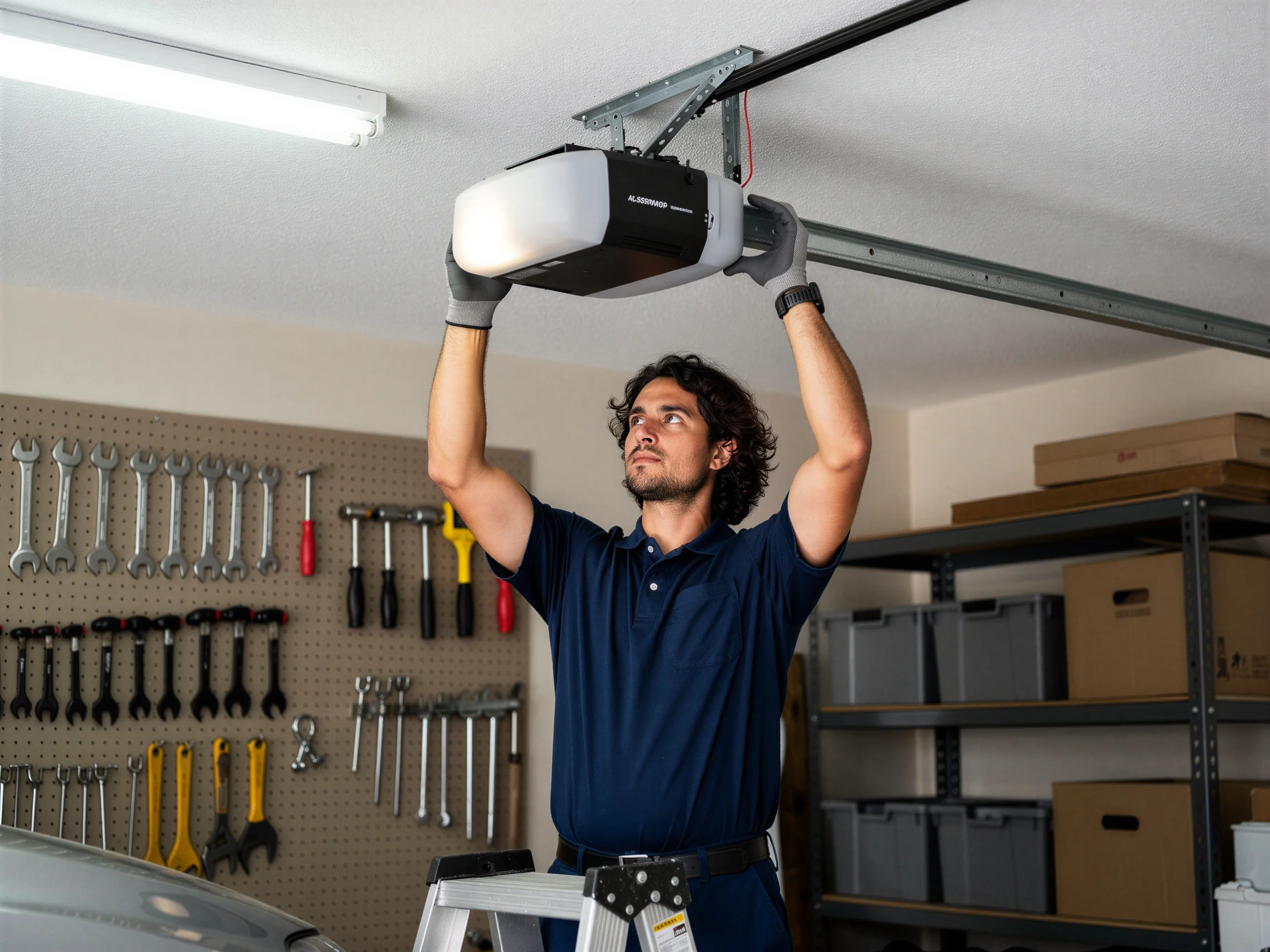
Opener Installation
Eagle Lake homes run newer than most of the Mankato area, median build year 1996. Learn more →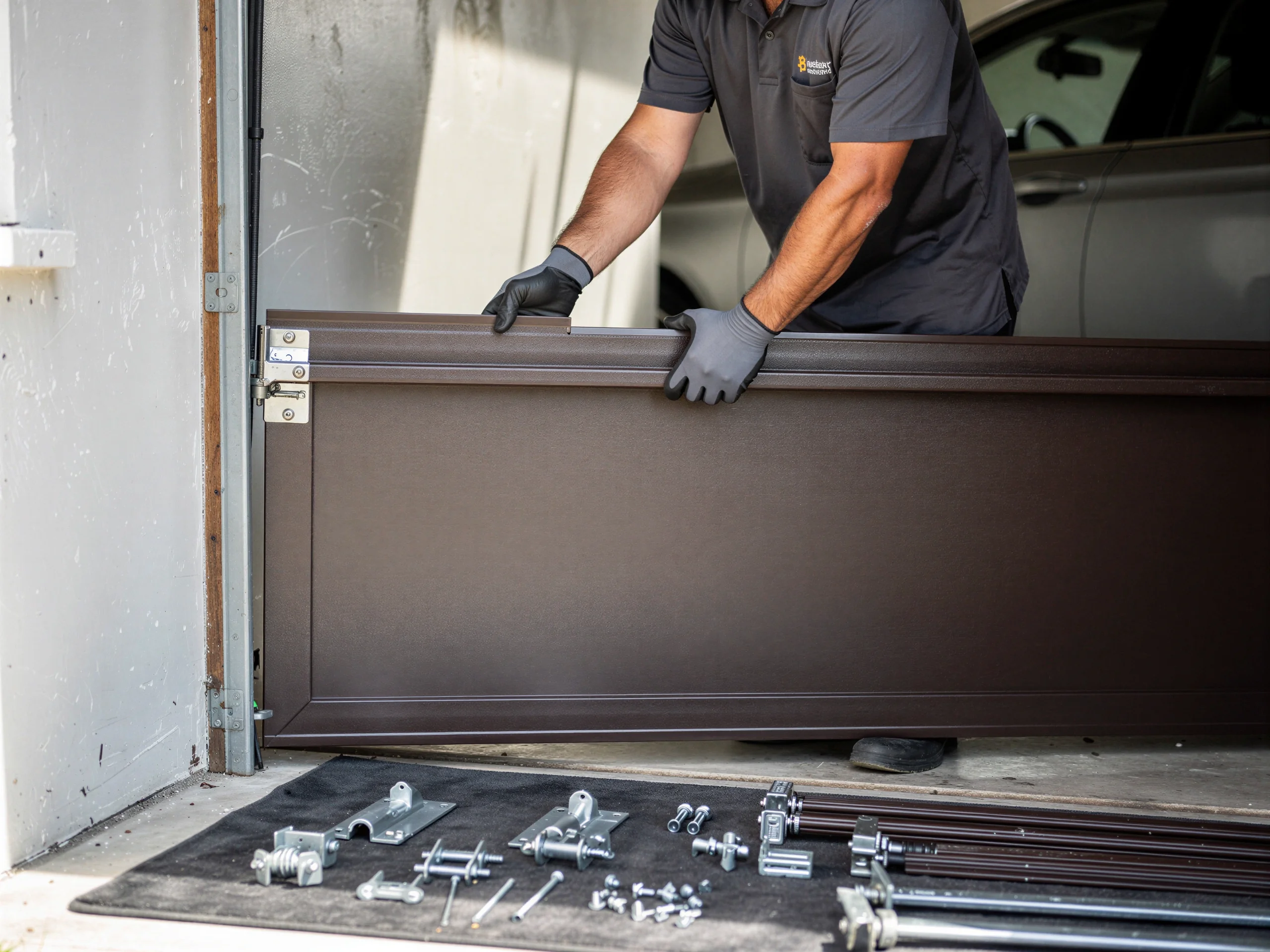
Panel Replacement
Eagle Lake homes run newer than most of the Mankato area, so panel damage and matching stock differ too. Learn more →Ready when you are
Time for a garage door tune-up in Eagle Lake?
Mankato Garage Door Pros repairs and installs garage doors, springs and openers in Mankato, MN and the surrounding area.